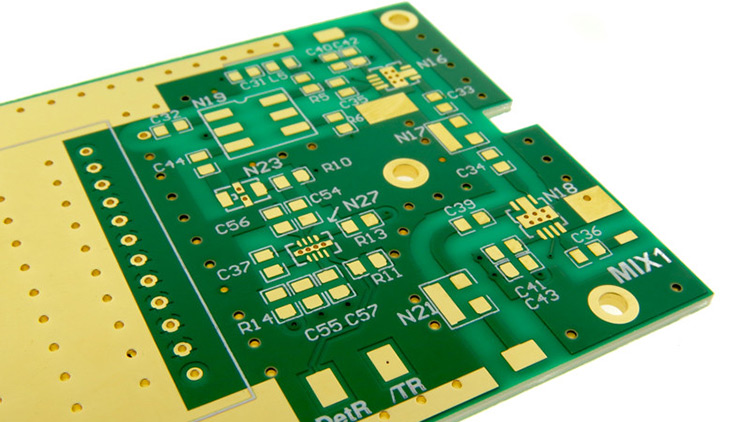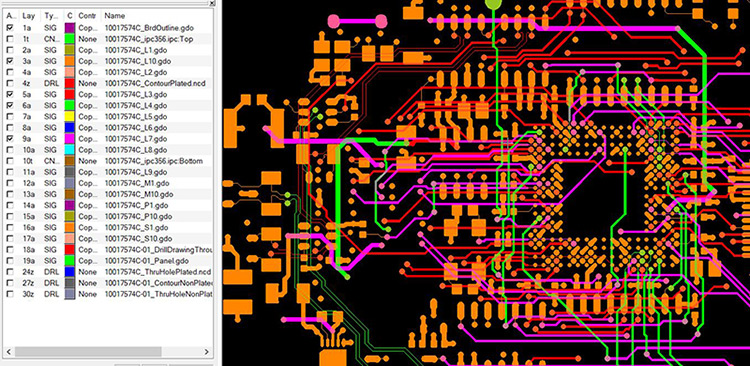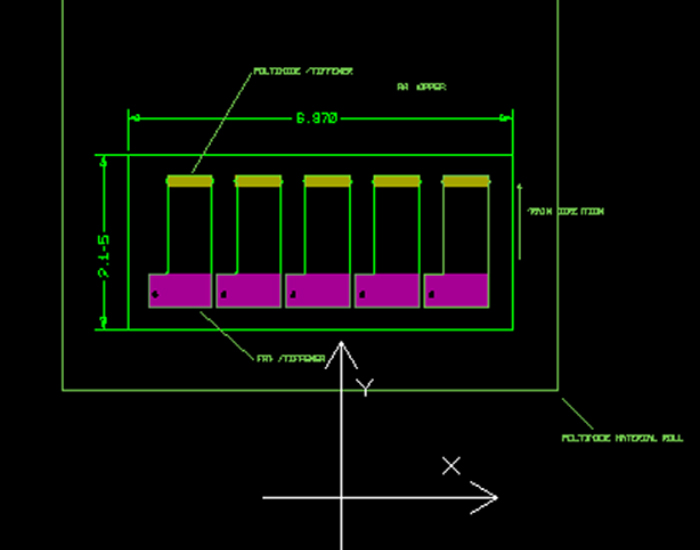

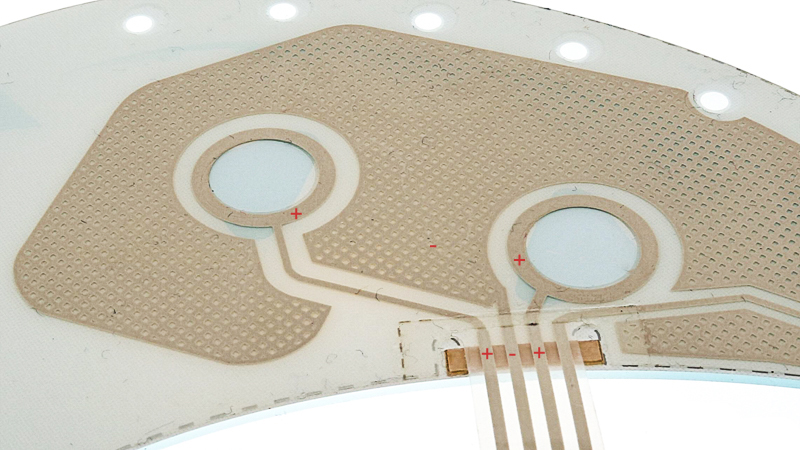
Design for Manufacturing (DFM) is critical to the success of your PCB order. Features that make your circuit board difficult to build add cost to your product and can increase the scrap rate. If you have designed a PCB that is more complex than usual, it is useful to submit files to your fabricator for review before placing your order so you will have some time to address any issues that might delay production.
Read MoreAt the conclusion of our recent webinar – Match Your High-Tech PCB Design To Your Supplies Capabilities – we had a number of questions for our presenter, PCB Field Applications Engineer Al Wright. We decided to compile these into a readable format on our blog.
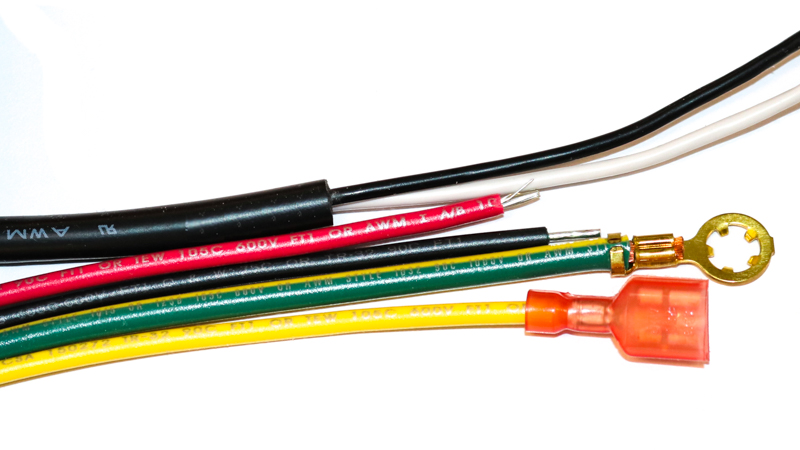
Read MoreIn simple terms, cable assemblies are comprised of two primary elements: the conductor and the connector. Rightfully so, the conductor’s sole purpose is to pass current at a given voltage, while the connectors job is to affix the cable assembly securely to a mating interconnect.
Read MoreMaybe you have heard of technical writing before, or maybe this is your first-time hearing about it. The chances are good, however, that you have seen or experienced technical writing already in your life. It is an established practice within the industrialized world, but what is it?
Read MoreOrdinarily you may not want your PCB (printed circuit board) manufacturer to adjust your data files, but there are occasions when that may be the easiest way to achieve a particular result. For instance, you may need to have some, but not all, vias of a particular size plugged so that the assembly solder will not wick through to the other side of the board. Or perhaps a few trace pairs need to run at a specified impedance, while the impedance for all the other traces of the same width is non-critical.
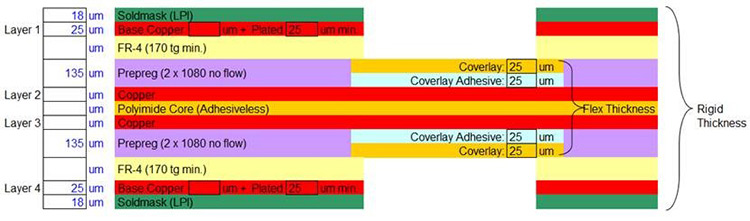
Read MoreThe design of a multi-layer PCB (printed circuit boards) can be very complicated. The fact that a design even needs to use more than two layers implies that the required number of circuits will not fit onto just a top and a bottom surface. Even in cases where the circuitry does fit onto two external layers with no problem, the PCB designer may decide to add power and ground planes internally in order to correct a performance shortcoming.
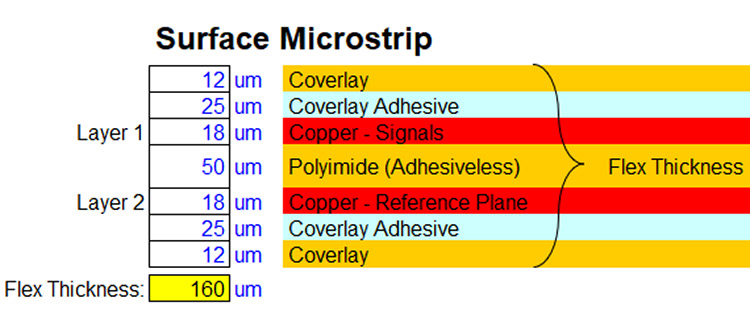
Read MoreOwing to the prevalence of complex processors, USB devices, and antennas printed directly onto the board surface, more and more PCB designs now require impedance control and testing than ever before. In response to the increased demand, circuit board manufacturers have invested in sophisticated modeling software and testing units, so they are equipped to meet the requirements.
Read MoreAt Epec we work on such a varied and technical catalog of products, so our engineers must be comfortable leveraging every manufacturing technology available to them in order to create solutions in design and production. One of the most important technologies that we use is 3D printing.
Read MorePrinted circuit boards (PCBs) have become an integral part of everyday modern life, both at work and at home. PCBs were at one time found primarily where you would have expected them to reside inside computers, calculators, televisions, and other such obviously electronic devices, but now they present nearly everywhere.
Read MoreIt is sometimes necessary to have some, or all, of your PCB layout projects done by an outside source. If you’ve never done a layout before, or if you don’t have the tools or experience to take on more complex projects, it is often better to have a professional complete the work.
Read More