
Flex circuit suppliers come in a variety of different sizes and stages of financial integrity. Choosing the one that will perform the best for your requirements is an important element to the success of you application. Knowing what questions to ask your flex circuit supplier is essential in choosing who will be manufacturing your flex circuits.
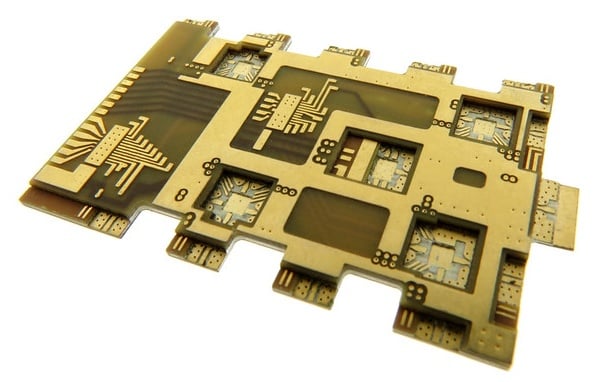
For every flexible circuit board manufacturer, there are some key areas you should be aware of. While flex circuits have some similar characteristics to rigid printed circuit boards, they require very different approaches in the manufacturing process.
All companies judge themselves on simple things like revenue, expenses, and income. Most manufacturing companies measure even more metrics like capacity utilization, yield, inventory turns, and on-time delivery. All of which are very important to ensure that business is profitable.
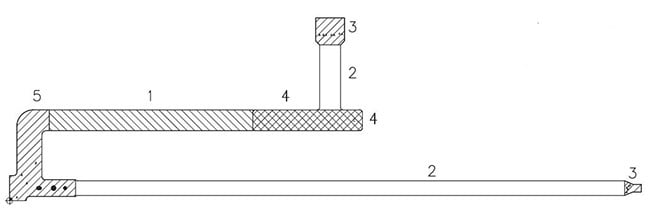
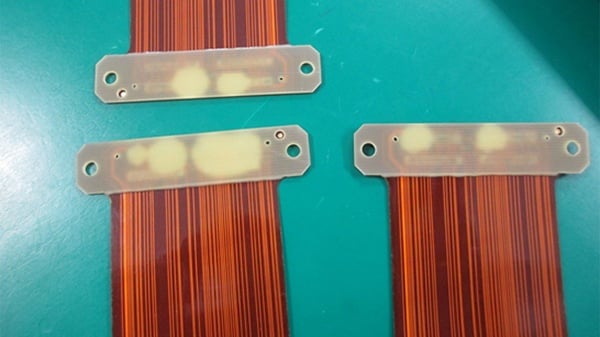
In the world of flexible circuit boards, stiffeners are a common requirement in a lot of flex designs. By definition, a circuit board stiffener provides a mechanical support function and is not part of the electrical schematic of a design.
Today, there are well over 3,000 companies that manufacturer printed circuit boards (PCB) in Asia (China, Taiwan, Japan, India, Korea, Thailand) with the supply capacity continuing to grow well ahead of the global demand.
It is critical for any flex circuit design to be free of errors and violations in order to get the application to market as fast as possible without unnecessary delay. To help designers avoid common IPC PCB design standards violations in rigid-flex PCBs, this blog post will discuss three of the most common IPC Association Connecting Electronics Industries design violations.
One question we get asked frequently is: "Why does flex and rigid-flex PCB tooling cost more than rigid PCBs?" The answer is quite simple; flex circuit tooling is a much more complex process than standard printed circuit boards.
We find that return merchandise authorizations (RMAs) are a powerful statement of a customer’s level of dissatisfaction. RMAs can offer evidence if a manufacturing process fell short of its goal, there was a lack of communication throughout processes, or even misdiagnosed a problem. In any case, we stand behind our product and are ready to support our customer.
When dealing with requests for custom manufactured custom assemblies, the question that frequently comes up is, "why should a jacketed cable be used in an assembly?" The answer to that question can be determined by looking at three key areas: environment, safety, and cosmetics.
Early on in the printed circuit board (PCB) industry, "quick turn PCB" was a very relative term. Purchase orders were faxed, confirmed with a phone call, and lead time was open for discussion. Quick turn PCBswere 7-10 days, maybe as low as 5-days for a fast PCB manufacturer. A 2-day PCB quick turn was a very rare order which designated a person to move through production from process to process, bumping every other board from the line.