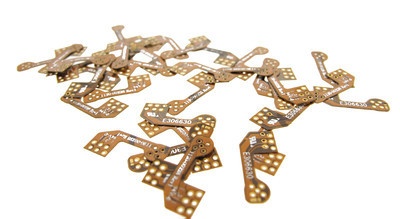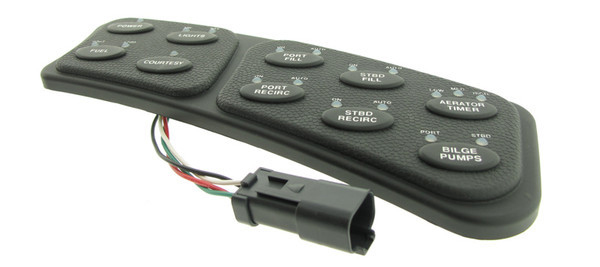

Custom low-profile keypad assemblies used in OEM applications incorporate snap-acting dome switches. Dome switches are a type of keypad assembly switch intended for very long cycle life and years of trouble-free use but are intended for logic-level switching, not power switching.
Read MoreFlex circuits provide design options that rigid printed circuit boards cannot. Whether used in new designs or to improve existing assemblies, flexible printed circuits enable tighter packaging, improved system reliability, broader electrical capabilities, and long‑term cost reductions.
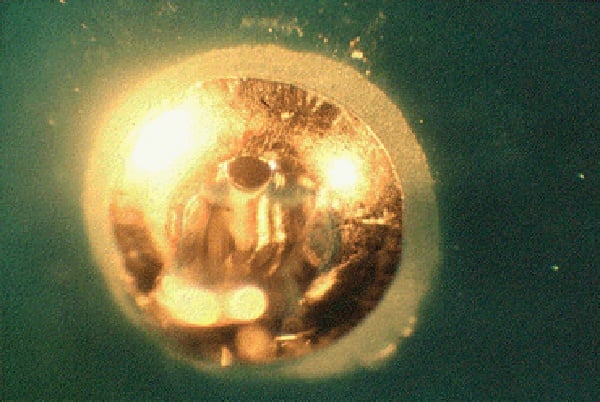
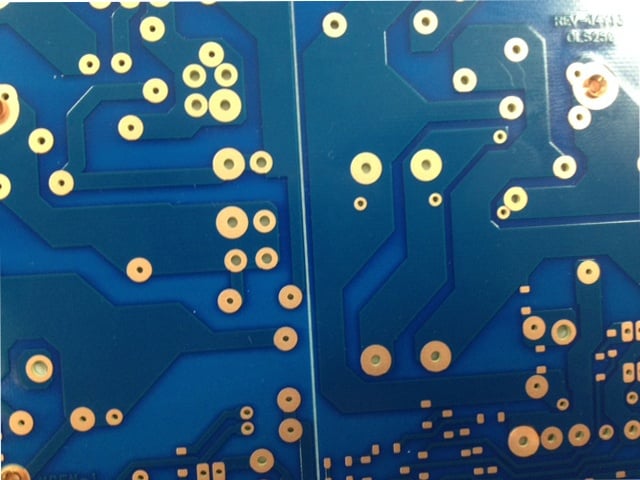
Read MorePlated through holes are the holes in a printed circuit board (PCB) with copper coated walls. These holes allow electricity to be carried from one side of the circuit board through the copper in the hole to the other side of the board. For any printed circuit board design of two or more circuitry layers, plated through holes form the electrical interconnection between the different layers.
Read More[This post is a continuation of Selecting the Most Capable Supplier: Part 1]
In the second part of this post, we will discuss 3 specific processes that you should review to control manufacturing supplier quality management before starting to do business with them. As a customer, you need to know that every aspect of your order is managed with the utmost care in a process that is repeatable and accountable.
Read MoreIn today’s challenging manufacturing marketplace it is more and more difficult selecting the most capable supplier that has the right capabilities for your company long term (so challenging, in fact, we had to break it into 2 parts). With more pressure being put on cost cutting and improving efficiency, it becomes very easy to put short-term gain ahead of all else. Unfortunately, when we do that, we end up losing sight of long-term goals that drive core future organizational growth.
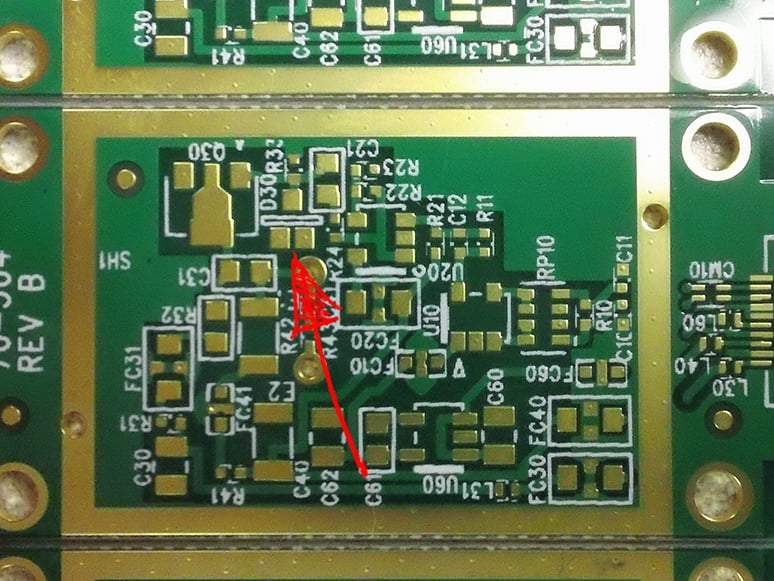
Read MorePrinted circuit boards (PCBs) with immersion finishes such as electroless nickel immersion gold (ENIG), immersion tin, silver, and OSP are appealing because they are lead-free. However, if handled improperly, these materials are susceptible to oxidation and corrosion from exposure to moisture and humidity. This oxidation causes dewetting after soldering, which can lead to poor joints at assembly and ultimately lead to failure of the board.
Read More