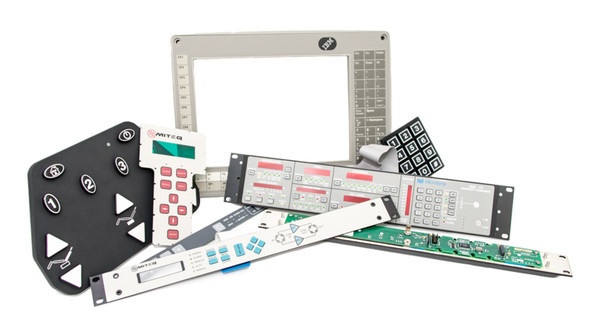
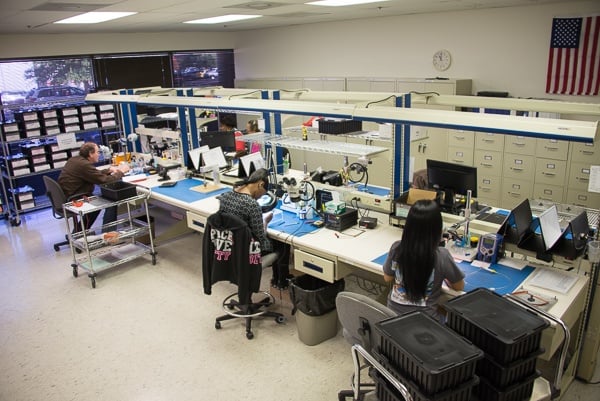
This blog post addresses custom user interface testing in terms of functional test schemes that are completed prior to shipment. Generally, the first user interface assemblies shipment are for First Article acceptance testing where customers fully examine the first units for mechanical and electrical compliance to all engineering drawing and specifications.
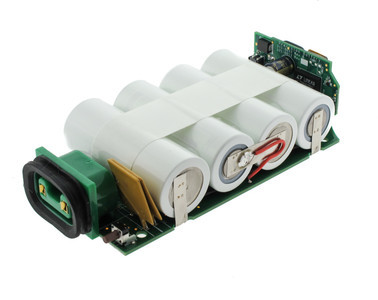
Read MoreProper lithium-ion battery storage has a direct impact on capacity, lifespan, and overall battery pack reliability. Environmental conditions, especially temperature and state of charge, are more influential than the charge cycle alone. Storing battery packs at partial charge in controlled conditions helps preserve performance and prevent irreversible damage.
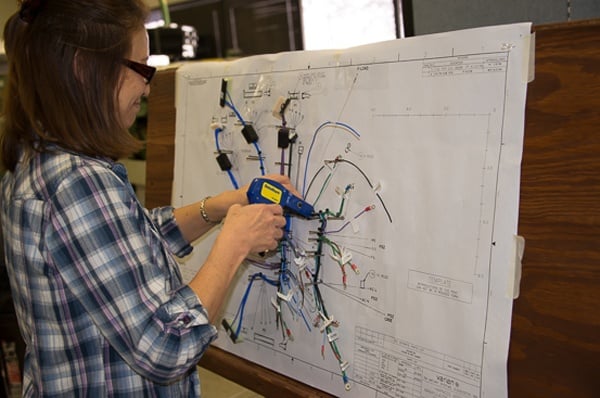
Read MoreWhen we think of manufacturing in the 21st Century, we picture automated machines rapidly pumping out new products with ease. So why can't the process of complex wire harness manufacturing become fully automated as well? To answer this question, we need a deeper understanding of cable harnesses and how they are prepared.
A cable harness, also referred to as a wire harness, cable assembly, wiring assembly, or wire loom, is a grouping of wires and/or cables that are used to transmit signals as well as provide electrical power if needed. The wires and cables are joined together using a combination of straps, cable ties, cable lacing, tubing (either shrink tubing or non-shrink tubing), sleeving, electrical tape, conduit, and braided extruded string.
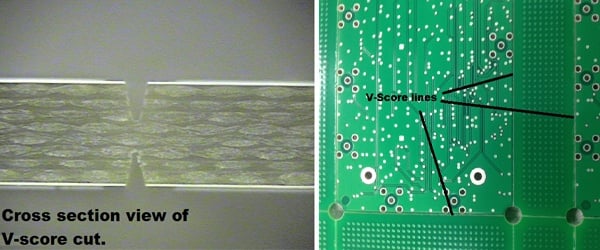
Read MoreWhen designing PCBs in a multi-up array, most designers choose v-score (also referred to as v score, v cut, or v groove) as the singulation method over traditional rout and breakaway tabs. The benefits of v-scoring pcb range from effortless removal of parts from panel form to realized cost savings with better utilization of panel area. When designing circuit boards in array with v-scoring, there are two areas of concern - the angle of the cut, and the depth of the cut.
Read MoreOver the past several years, the label "hybrid supplier" has become more popular among industry leading product and service companies. The term means combining multiple business elements with a unique process to create a mixture suited to fulfill all of a customer's needs under one company. While this sounds like a very attractive business model for a customer to use, it is much harder than it sounds.
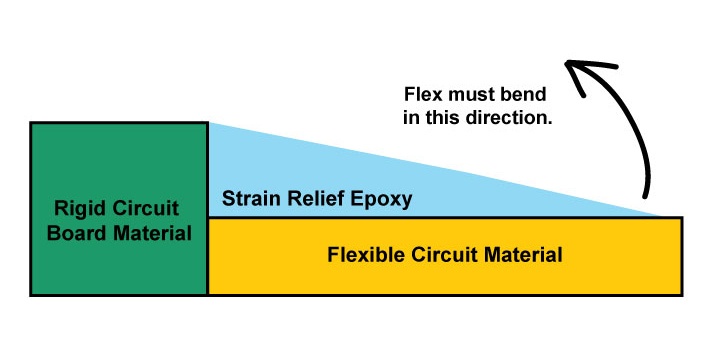
Read MoreFor rigid-flex printed circuit boards (PCBs), the space joining rigid material to flex material (Transition Zone) sometimes contains imperfections that, although acceptable, could impact effectiveness of the final part. Transition zone imperfections can include any of the following:
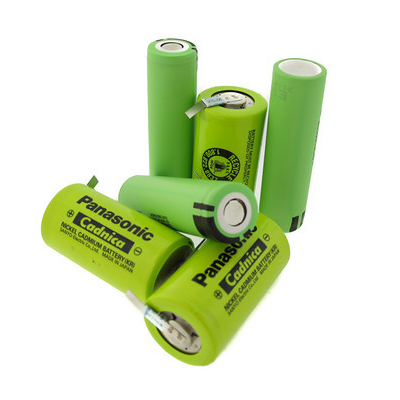
Read MoreSelecting the right battery pack cell type requires balancing electrical requirements, physical constraints, cost, and chemistry performance. Each chemistry, such as lithium-ion, LiFePO4, or NiMH, offers different tradeoffs in energy density, cycle life, and safety.
Working with an experienced battery pack manufacturer ensures the optimal combination of performance, reliability, and cost for your application.
Read MoreWith the news of TTM and Viasystems merger, two of the last big three (Sanmina being the third) circuit board manufacturers joining together is certain to have wide ranging effects on the United States Printed Circuit Board industry. To start, each merger of companies this size are priced to include "synergies" between the two companies. The word synergy is code for closing facilities and cutting people to save money to pay for the acquisition.
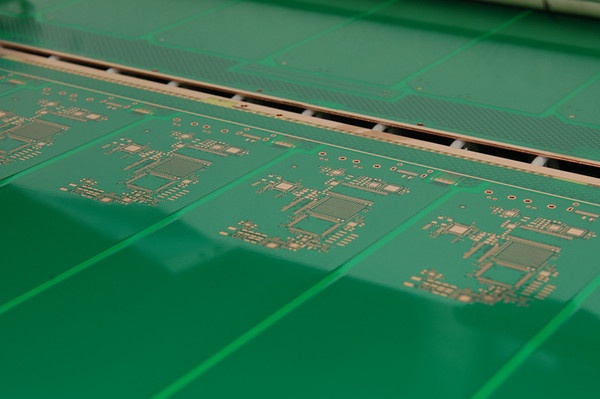
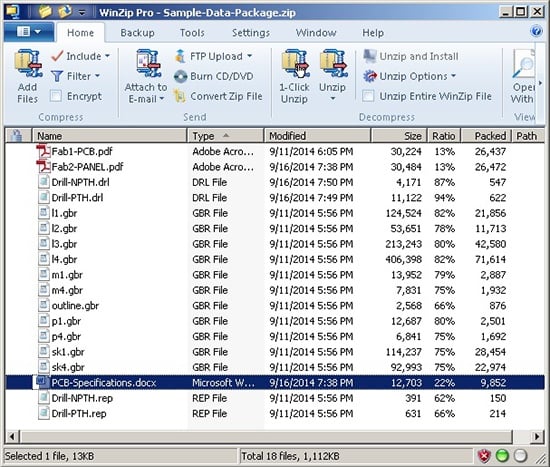
Read MoreAccurate PCB fabrication begins with a complete and standardized data package. The preferred format is Gerber Extended (RS274X), which should be configured as the default output in the CAD system. This format is used directly for artwork plotting and avoids the interpretation issues that can arise with other file types.
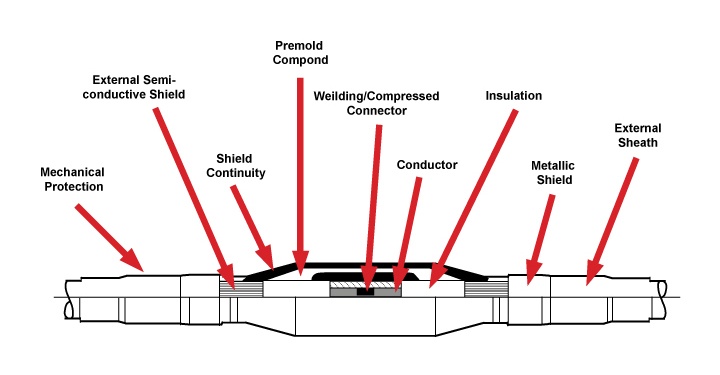
Read MoreCable pre-molding, sometimes associated with potting or encapsulation, is used to protect the termination points from the surrounding environment. Pre-molding involves the application of a material around the back section of a connector where the termination points are located.
Read More