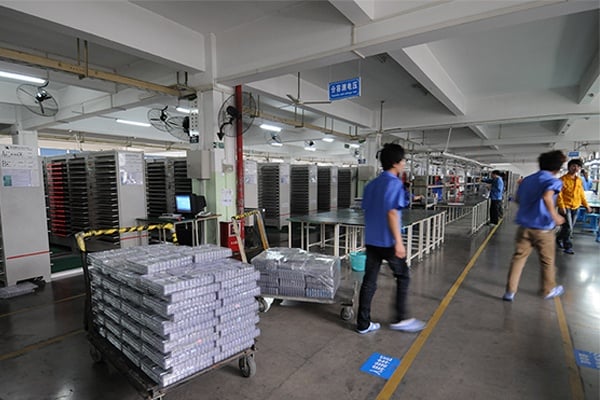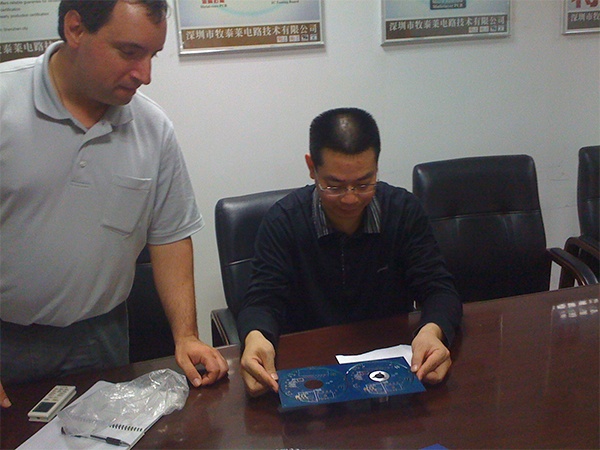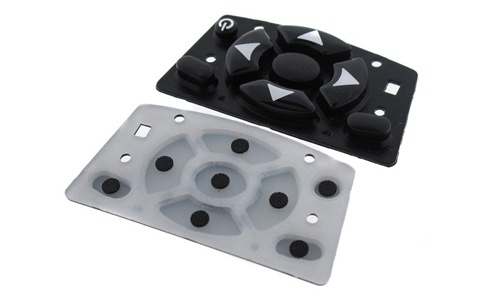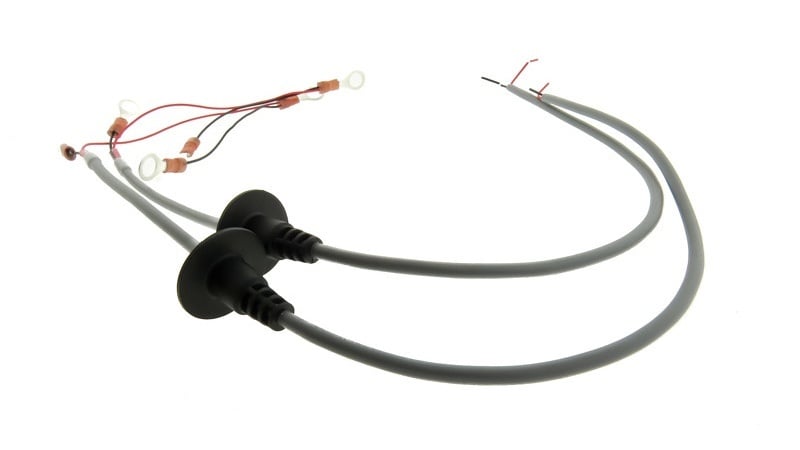

Over the past several years, the label "hybrid supplier" has become more popular among industry leading product and service companies. The term means combining multiple business elements with a unique process to create a mixture suited to fulfill all of a customer's needs under one company. While this sounds like a very attractive business model for a customer to use, it is much harder than it sounds.
Read MoreFor rigid-flex printed circuit boards (PCBs), the space joining rigid material to flex material (Transition Zone) sometimes contains imperfections that, although acceptable, could impact effectiveness of the final part. Transition zone imperfections can include any of the following:
Read MoreThere are several factors to consider when selecting the type of battery cell to use in your battery pack design. Looking at the battery requirements and the dimensional space available are important. Another factor that comes up is pricing. The top tier manufacturer brands can be expensive, but there are also comparable solutions in Asia that will reduce the cost.
Read MoreWith the news of TTM and Viasystems merger, two of the last big three (Sanmina being the third) circuit board manufacturers joining together is certain to have wide ranging effects on the United States Printed Circuit Board industry. To start, each merger of companies this size are priced to include "synergies" between the two companies. The word synergy is code for closing facilities and cutting people to save money to pay for the acquisition.
Read MoreIn order for Epec or any PCB fabrication company to quote your circuit boards accurately and with minimum delays, it's important to supply a complete PCB data file set, using industry-standard file types. Before you look at getting your quote, learn what information you need to supply to ensure a smooth PCB fabrication process.
Read MoreCable pre-molding, sometimes associated with potting or encapsulation, is used to protect the termination points from the surrounding environment. Pre-molding involves the application of a material around the back section of a connector where the termination points are located.
Read MoreWave soldering, the process of attaching electronic components to the printed circuit board (PCB), becomes increasingly difficult as pitch decreases. Pitch is the center-to-center spacing between the conductors on a PCB. So, knowing that wave soldering becomes harder with lower pitch measurements, what is the minimum pitch distance you should maintain on circuit boards? With the appropriate controls, it is still possible to get a good result with pitches as low as 0.5mm (.0197"). Wave soldering defects can occur in pitches below 0.5mm, so we recommend this as the minimum pitch to wave solder a PCB.
Read MoreThe copper weight and corresponding thickness used in a flexible circuit board need to be carefully selected in order to meet both the electrical and mechanical bend requirements of specific flex circuit design. Copper weight for a flex PCB is both the stiffest and most critical component.
Read MoreWhen a blow hole defect occurs during the assembly process as a result of the PCB card, the primary culprit tends to be entrapped moisture or air. With moisture, any non-plated and non-masked areas on a bare circuit board that expose internal laminate can be suspect to absorbing moisture. Absorption can occur either during the board fabrication process or from improper storage. Examples of highly suspect areas include non-plated drilled holes and routed features.
Read MoreWhen it comes to printed circuit board manufacturing, there are a variety of PCB via process requirements to consider. Each has their own pros, cons, and cost adders so knowing these requirements can aid you when designing your circuit boards. In this post we will discuss the differences for why you would either fill or plug a circuit board via.
Read More