
Previously, we gave you the definition for flexible circuit coverlay. Now, we go into greater depth discussing the two primary options for encapsulating the external circuit layers of a flex circuit: polyimide coverlay and flexible liquid photoimageable (LPI) solder mask. The two materials have very different capabilities and requirements.
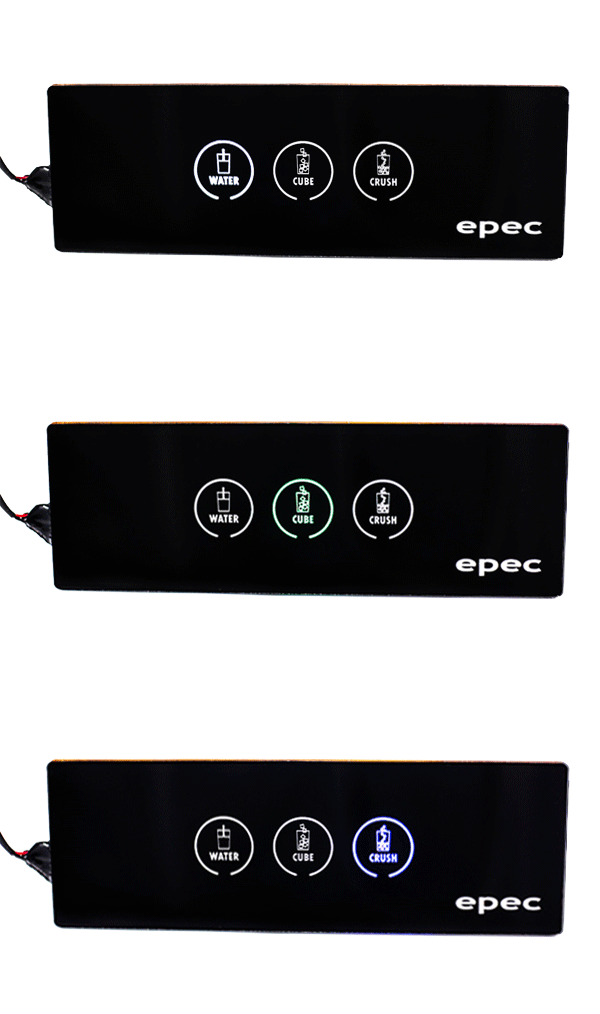
Advancements in user interface assembly construction methods are often overlooked in HMI applications, becoming an afterthought while too many people assume that the older graphics, adhesive, rubber, and backlighting technologies all stay the same. This is not the case, especially within medical device HMI manufacturing.
Epec Engineered Technologies is one of the oldest printed circuit board companies in the U.S., building PCBs since 1952. Epec is one of the founding members of the Institute of Printed Circuits (IPC), created in 1957 to help advance the PCB industry. While visiting a customer I was asked, “Has the introduction of your new products like custom battery packs and energy efficient EC fans taken your focus and attention off of PCBs?” While I assured the customer that we are fully dedicated to PCB manufacturing, it occurred to me that as a company, we need to better demonstrate that dedication consistently to our customers.
History of PCB Manufacturing
When I started working in the printed circuit board manufacturing business 34 years ago, I believed it was a temporary job to pay the bills. Just until I was able to figure out what I really wanted to do. That was in 1982, working at a small PCB shop.
Ribbon cable assemblies, also known as flat ribbon cable assemblies or planar cable assemblies, are assemblies utilizing multiple wires and typically IDC (insulation displacement connector) terminations. The cables used in this type of assembly are prepared by laying conducting wires flat and parallel to each other, resulting in a product that is wide and flat, resembling a ribbon.
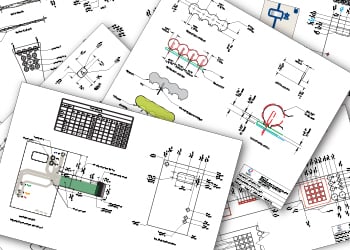
Rigid-flex printed circuit boards are unique in terms of integrated construction of both rigid and flex circuit technologies. Unique construction comes with unique requirements that should be reviewed and implemented during the rigid-flex PCB Gerber layout phase of the design process.
Lowering risk for original equipment manufacturers (OEMs) in the Military and Aerospace industries is always a key objective. Utilizing a >vendor consolidation approach is a viable way to reduce risk within an organization. Increasing the amount of products sourced by one qualified supplier can drive down the overall risk by allowing components and subsystems to be tested together prior to being delivered into your supply chain.
Continued improvements to the human-machine interface (HMI) manufacturing process across entire electronic industries have made technology once widely considered too expensive for most applications now accessible within many design budgets.
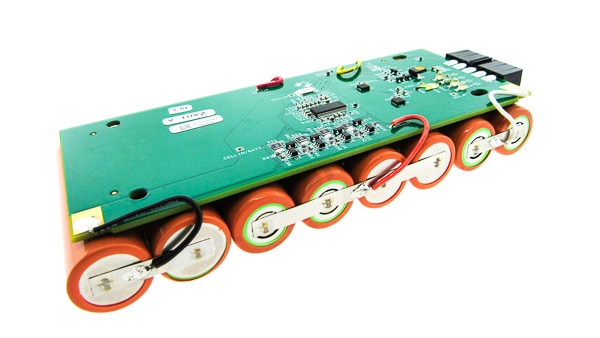
We're very proud to report that our product webinar, Lithium Battery Regulations and How They Affect OEMs, had the most viewer responses ever for a webinar hosted here at Epec! Over 300 registered for the event, confirming that these latest changes to shipping lithium battery are of real concern amongst some of the industry’s leading Original Equipment Manufacturers (OEMs).
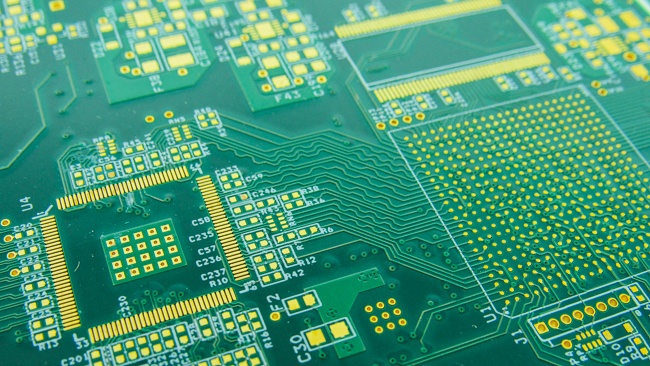
As printed circuit board (PCB) designs get more demanding with advances in technology involving complex footprints and added costs to components, incoming inspection of printed circuit boards must take higher priority.