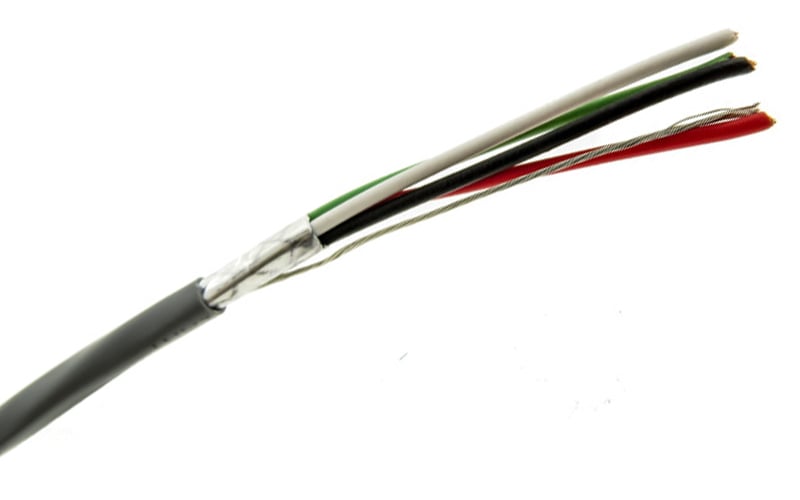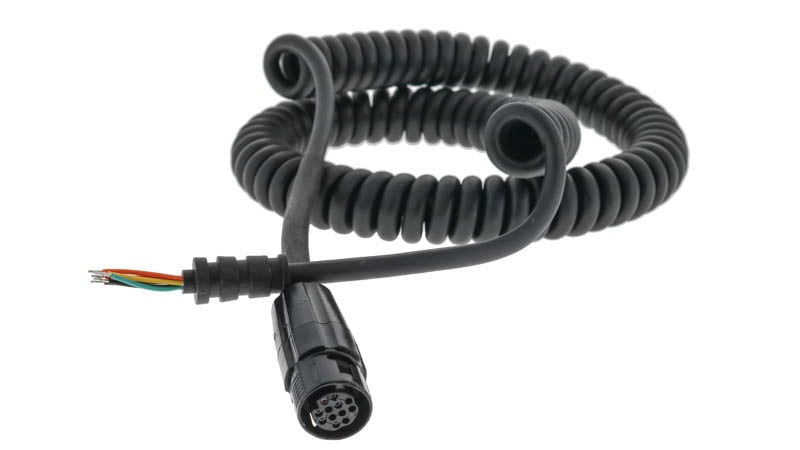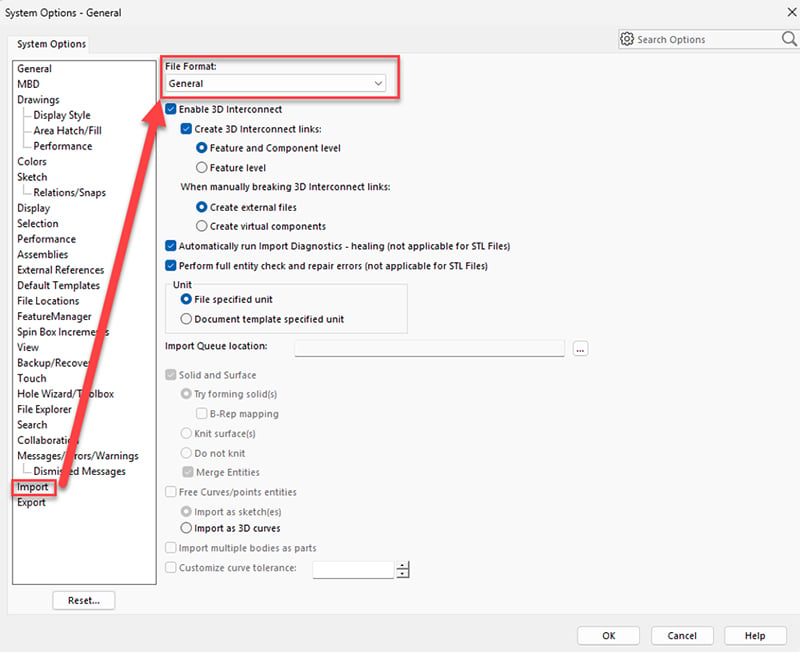

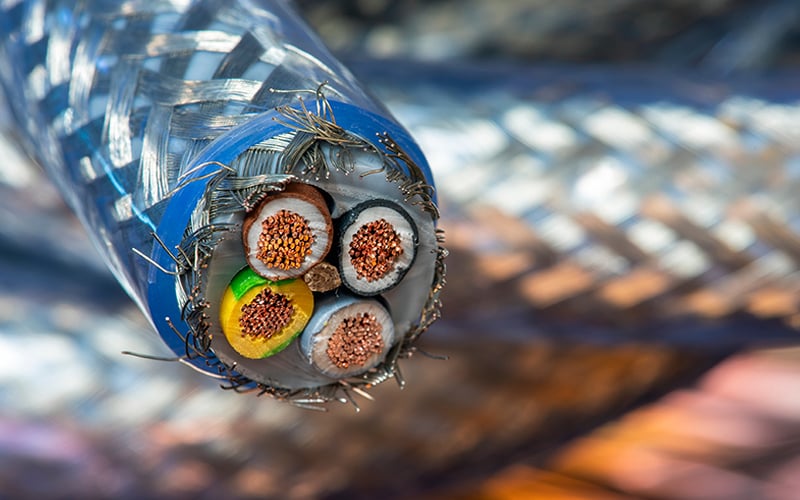
Electromagnetic interference (EMI) can be one of the most frustrating problems to diagnose in a custom cable assembly. The cable may be built exactly to print, pass continuity testing, and function perfectly on the bench, only to experience intermittent problems once installed in the finished system. Motors, power supplies, switching circuits, radios, pumps, and even neighboring cables can introduce electrical noise that was never apparent during initial testing.
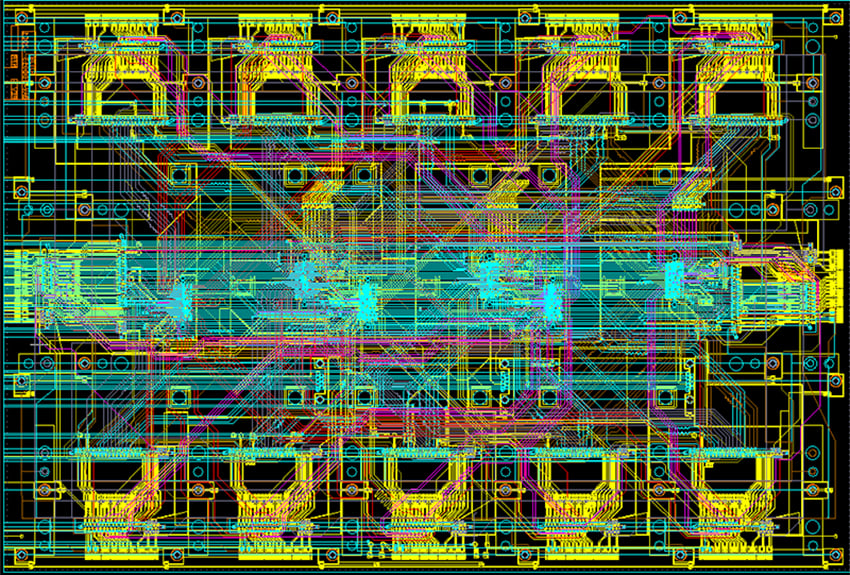
Read MoreFlex circuits can be difficult to account for in many areas when designing, to such a large degree that it can be difficult to track every little thing. Some things can even drastically impact a design so much that they can cause fractures in copper, or even worse, delamination. The things that will most impact those failure mechanisms relate back to material selection, design choices, and assembly baking choices.
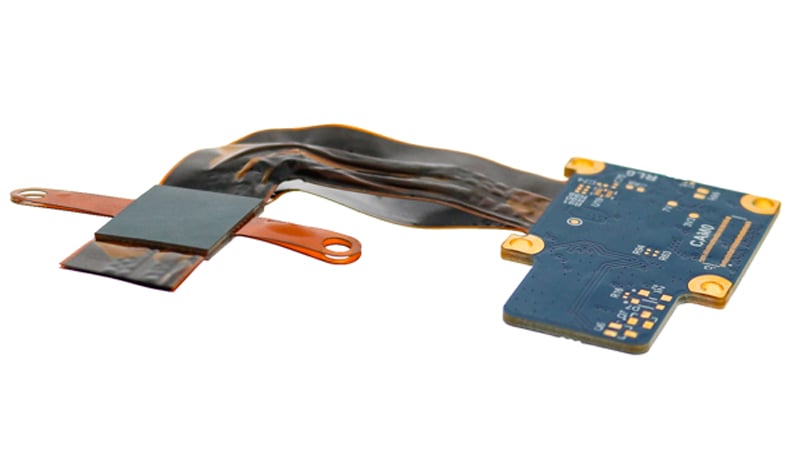
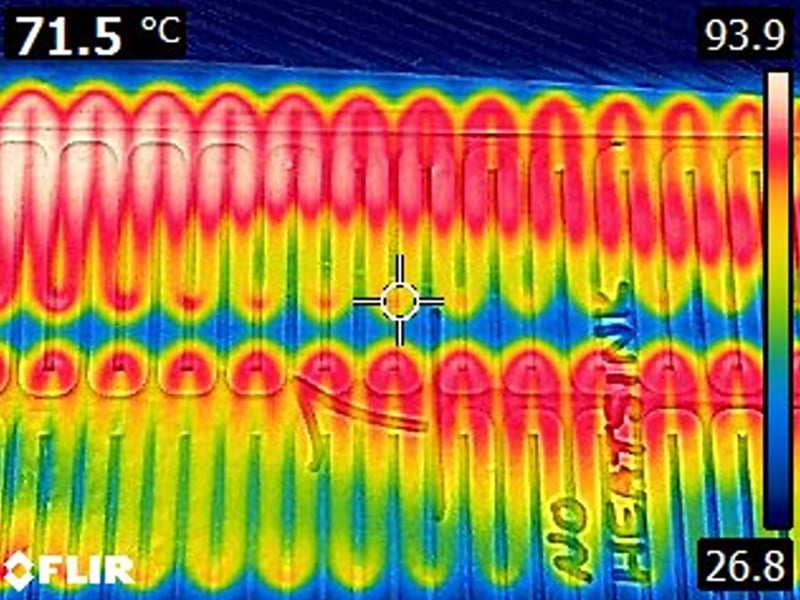
Read MoreFlexible heaters are often selected because they can deliver controlled heat in areas where conventional heaters are too rigid, bulky, or difficult to integrate. Their thin construction, custom geometry, and ability to conform to complex surfaces make them useful across medical, industrial, electronics, and food-processing applications.
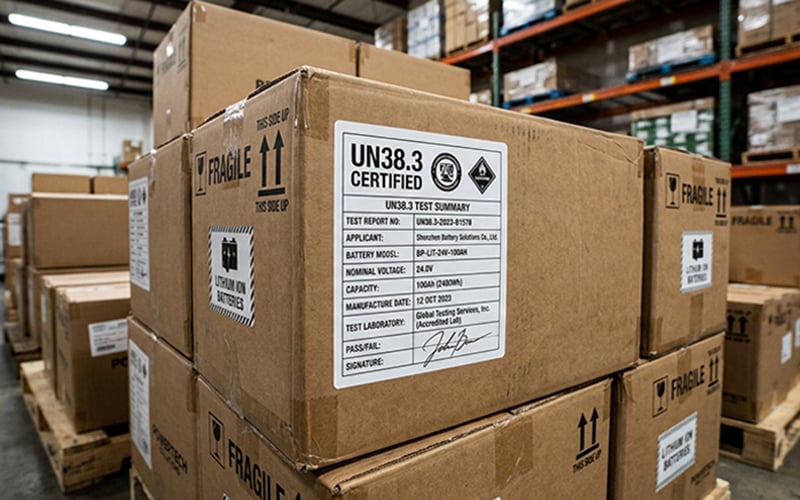
Read MoreLithium-based batteries offer high-energy density for devices. However, the materials within the cell are extremely unstable and reactive. Due to this issue, these batteries are considered dangerous and hazardous goods under United Nations regulations.
Read MoreFor decades, 130°C and 150°C Tg FR-4 materials were widely used throughout the printed circuit board industry. Many legacy PCB drawings still specify these materials today. However, PCB manufacturers are finding that traditional 130°C and 150°C Tg FR-4 laminates are becoming increasingly difficult to source.
Read MorePrinted circuit boards used in extreme environments must withstand temperature extremes, vibration, shock, moisture, chemicals, corrosion, and high electrical stress.
Read MoreCable shielding plays an important role in protecting electrical signals from electromagnetic interference, but not every cable assembly requires the same level of protection. Adding a shield can improve signal integrity and reduce susceptibility to interference, but it can also increase cable diameter, stiffness, cost, and assembly complexity.
Read MoreAt the conclusion of our webinar, Tips for Designing Custom Cable Assemblies Used in Medical Diagnostics Equipment, we had several questions submitted to our presenter, Epec Product Manager Team Lead Steven J. Goodman. We compiled these into a readable format on our blog.
Read MoreFlexible circuits offer advantages that rigid PCBs cannot, including improved reliability, reduced weight, and the ability to fit into compact or dynamic applications. However, these benefits often come with manufacturing considerations that can influence the overall cost of the finished circuit.
Read MoreIn the electronics industry, engineers regularly rely on STEP files to share 3D data between customers and external suppliers of components like cables, battery packs, machined parts, and more.
Read More