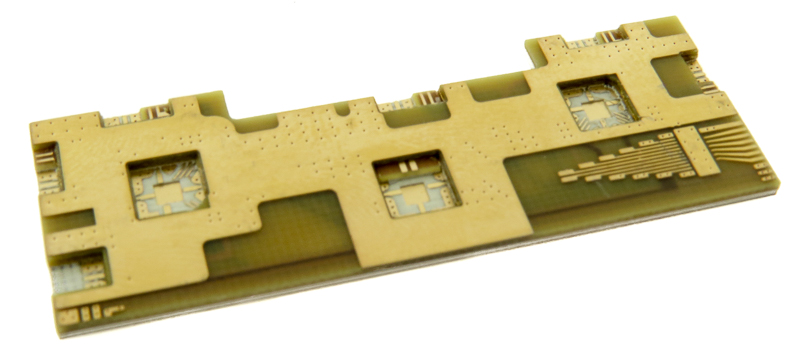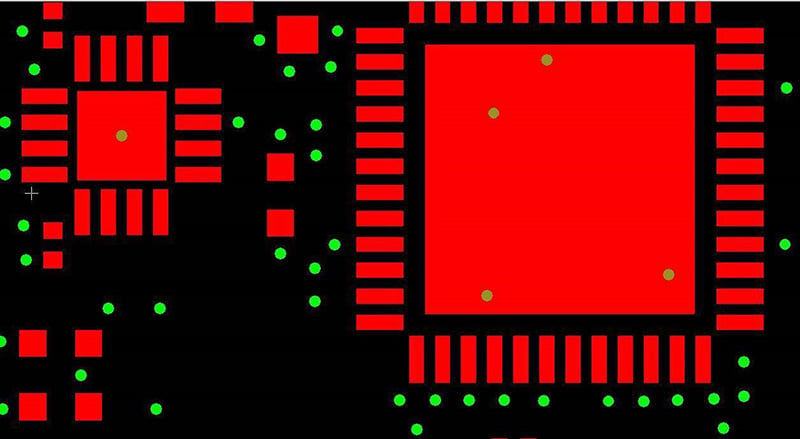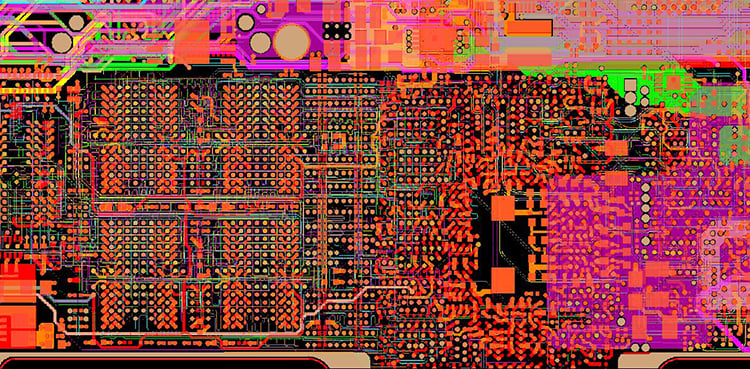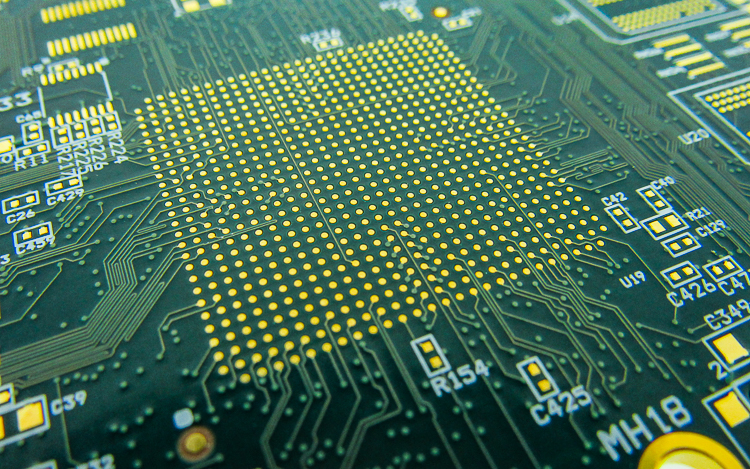

Traditionally, quick-turn printed circuit boards have been used for PCB prototyping and low-volume production in the electronics industry. Many companies have developed very low-cost, low-option Internet programs to get customers low technology printed circuit boards very inexpensively. However, in today’s evolving electronics industry, quick-turn printed circuit boards are now part of every stage of the product development lifecycle, from initial concept development to full working prototypes to getting the production product to market faster than any of their competitors.
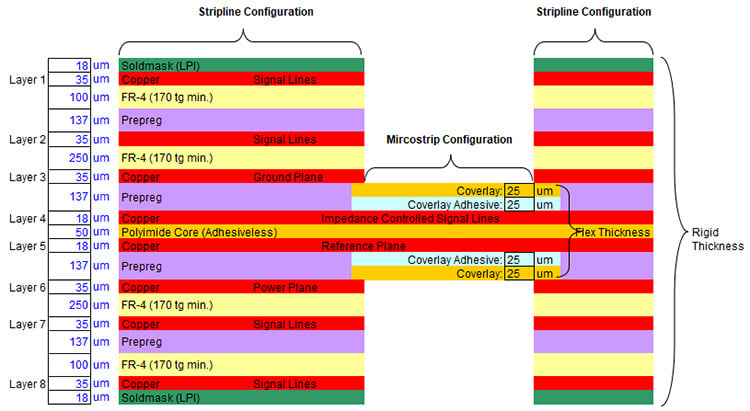
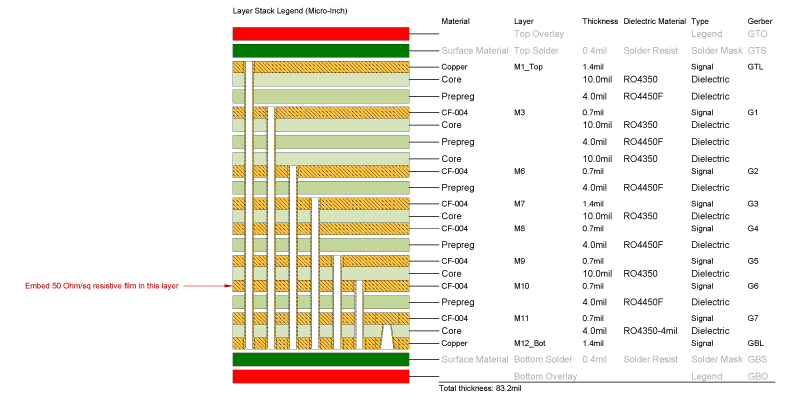
Read MoreAs somebody whose job it is to analyze several multilayer PCB designs per week, I find it surprising whenever I receive a data package that does not include a defined lamination stack-up. The way that the layers are constructed can affect the PCBs performance, so these packages feel like they are missing a potentially important piece of information.
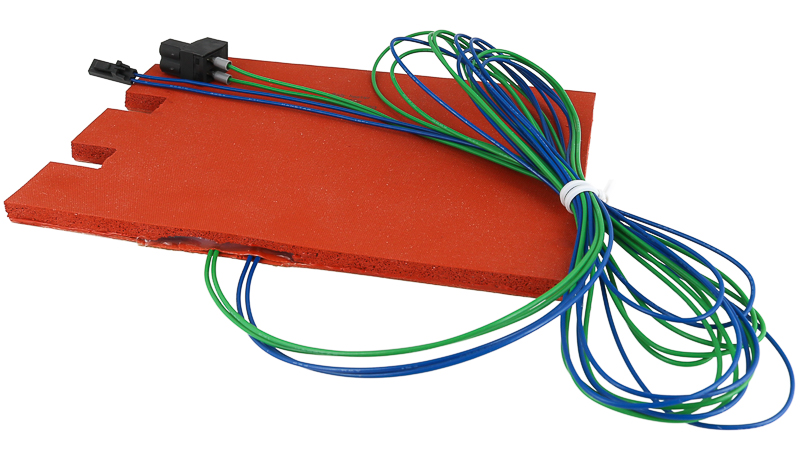
Read MoreBattery pack manufacturing relies on the proper selection of battery chemistries, materials, electronic components, and enclosure designs to meet application power, safety, recharge, and storage requirements. Understanding how these standard materials and components interact can help improve performance, shorten lead times, control costs, and support regulatory compliance.
Read MoreHaving been involved in the printed circuit board (PCB) world for nearly four decades, I continue to see the same drawing mistakes. When declaring PCB tolerances in any given design, the PCB designer must take into consideration the manufacturing of the board itself. In this blog post, we will review some of the issues we commonly see in PCB designs that are not allowing the proper tolerances for the routing, drilling, and plating processes.
Read MoreAt the conclusion of our webinar, Do You Really Need Lithium or Will Nickel Metal Hydride Suffice, we had several questions submitted to our presenter, Randy Ibrahim, Battery Development Consultant at Epec. We have compiled these questions into a readable format on our blog.
Read MoreSwitching battery pack suppliers on an existing design introduces risks related to compatibility, component sourcing, and certification. Even when targeting a drop-in replacement, differences in materials, BMS design, and supply chain capabilities can impact performance and manufacturability. Careful validation, supplier evaluation, and recertification planning are essential to ensure continuity.
Read MoreHigher current carrying flex circuit designs create challenges that need to be addressed early in the design process to ensure both a manufacturable design and that it will reliably meet the bend requirements. These items range from material types/availability, bend capability/flexibility, impact on standard signal lines, and part cost.
Read MoreCreating an application or product requires designs, drawings, and recommendations regarding the function of the application, materials to use, and the dimensions. In addition, a manufacturer also must consider how to power it. Many applications require a portable battery source that can be recharged numerous times and stored safely without future damage.
Read MoreWhen we use electronics in commercial settings, one of the major factors that must be taken into consideration is the different temperatures that the circuitry and wiring will experience. Not every electronic device will be used in a stable indoor working environment like an office space.
Read MoreWhether it is a medical device concept, automotive manufacturing, project, industrial application, or consumer product, companies require large and small battery packs that will ensure their electronic devices and machinery have the longest life cycles without any safety issues. Many of hese battery packs need to be custom made for the specific device before they can be marketed.
Read More