
When designing and manufacturing battery packs, it is important to recognize that there will be limitations when dealing with specific cost and performance parameters. You may encounter circumstances where you will have to increase the cost of your battery pack or decrease aspects of overall performance. We'll help detail some of those limitations and how to find solutions that help move your project forward.
Read MoreThe old saying “to the victor go the spoils” is now starting to apply in the battery supplier industry. Recently, Panasonic announced that it will no longer be supporting any new battery pack development projects that are not in the electric vehicle (EV) or solar storage space.
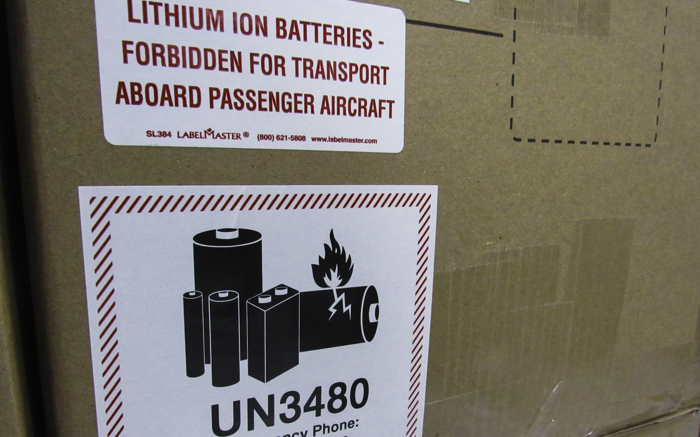
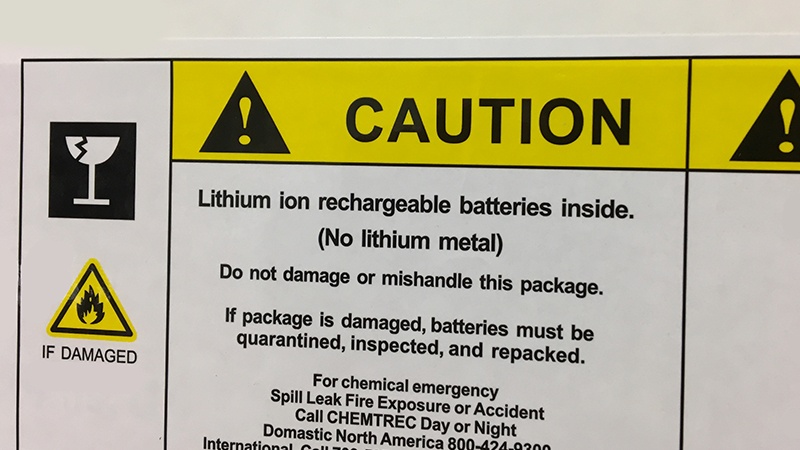
Read MoreShipping of lithium batteries is a very important process that requires significant investment in training and equipment. In April of 2016, new lithium battery shipping regulations were passed that forbid lithium batteries from passenger aircraft and limited the SOC (state of charge) for any battery shipped via air cargo to 30%.
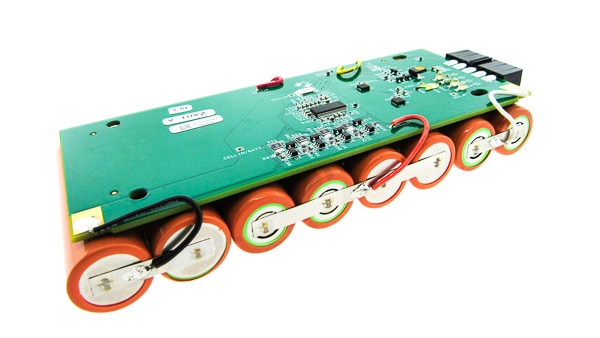
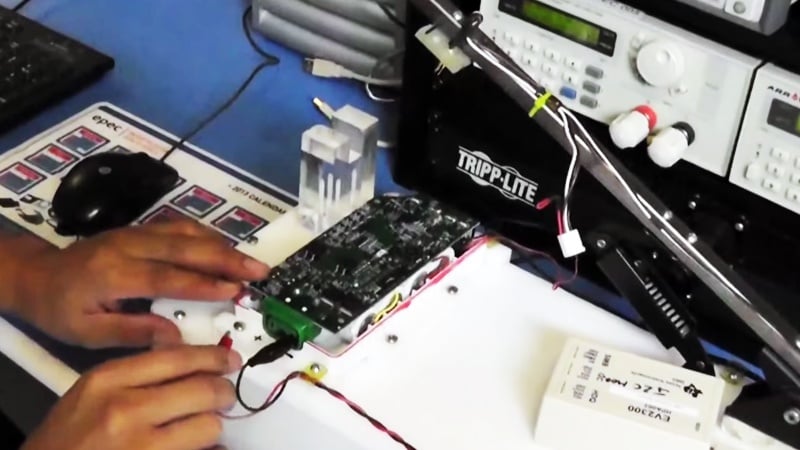
Read MoreWhen building a lithium-ion battery pack, there will always be some sort of protection circuitry necessary that will safely separate the cells from the external connections. The protection may be as simple as a pair of charge and discharge Field Effect Transistors (FETs) with voltage and current detectors, or as complicated as adding firmware controlled fuel gauging and secondary protection.
Read MoreWe're very proud to report that our product webinar, Lithium Battery Regulations and How They Affect OEMs, had the most viewer responses ever for a webinar hosted here at Epec! Over 300 registered for the event, confirming that these latest changes to shipping lithium battery are of real concern amongst some of the industry’s leading Original Equipment Manufacturers (OEMs).
Read MoreOver the past several years, shipping lithium batteries via air freight has been serious business and it requires significant investment from any company who manufacturer custom battery packs. Not only do companies need to make sure that battery packs are shipped properly without delays, but also for the safety of the public. As of April 1, 2016 international regulations applicable to air shipments of lithium batteries have changed yet again and will require that all companies that manufacture and ship batteries continue to invest to stay ahead of the requirements.
Read MoreRead More
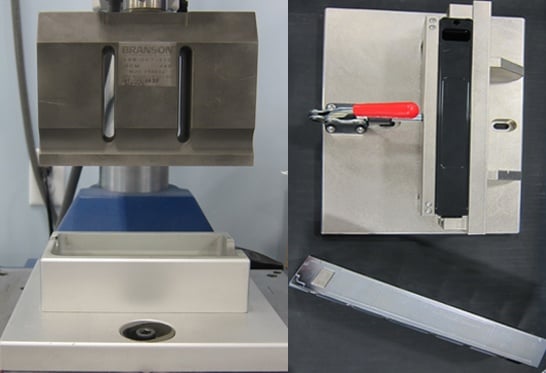
At Epec, we are in a unique position of having the capabilities to produce domestically at our Colorado tech center, our Massachusetts assembly facility, or your partner factories in Asia. This allows us both flexibility and control on prototype development, regulatory builds, pilot ruins, and production quantities.
Read MoreIn today's battery and charger market, most companies typically provide either battery pack assemblies or battery pack chargers, as opposed to providing both. In the past, buying a battery from one source and a charger from another worked just fine when using the older NiCd batteries with overnight chargers. However, due to new battery chemistries and the increasing need for faster charge times, careful matching of the charger to the battery has become essential. Without proper battery and charger matching, aspects such as safety, cycle life, and run-time may be greatly affected.
Read MoreWhen you consider and evaluate the true stresses that lithium batteries encounter, most battery packs are designed to last three to five years if used and stored properly. Environmental conditions, not just charge cycling, are the key factors for longevity. The worst situation is keeping a fully charged battery at elevated temperatures. When not in use, batteries must be stored in a cool place.
Read More