
Read More
Read More
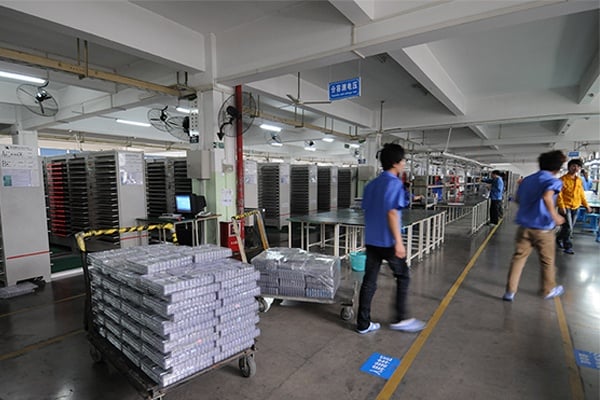
At Epec, we are in a unique position of having the capabilities to produce domestically at our Colorado tech center, our Massachusetts assembly facility, or your partner factories in Asia. This allows us both flexibility and control on prototype development, regulatory builds, pilot ruins, and production quantities.
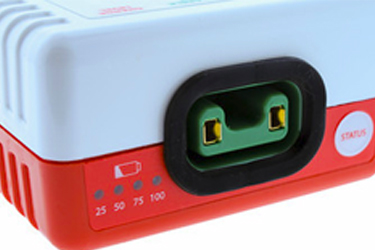
Read MoreIn today's battery and charger market, most companies typically provide either battery pack assemblies or battery pack chargers, as opposed to providing both. In the past, buying a battery from one source and a charger from another worked just fine when using the older NiCd batteries with overnight chargers. However, due to new battery chemistries and the increasing need for faster charge times, careful matching of the charger to the battery has become essential. Without proper battery and charger matching, aspects such as safety, cycle life, and run-time may be greatly affected.
Read MoreProper lithium-ion battery storage has a direct impact on capacity, lifespan, and overall battery pack reliability. Environmental conditions, especially temperature and state of charge, are more influential than the charge cycle alone. Storing battery packs at partial charge in controlled conditions helps preserve performance and prevent irreversible damage.
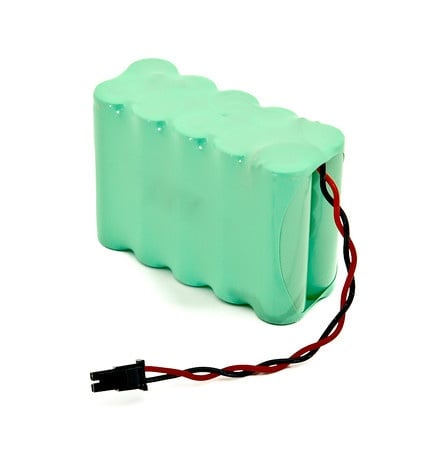
Read MoreSelecting the right battery pack cell type requires balancing electrical requirements, physical constraints, cost, and chemistry performance. Each chemistry, such as lithium-ion, LiFePO4, or NiMH, offers different tradeoffs in energy density, cycle life, and safety.
Working with an experienced battery pack manufacturer ensures the optimal combination of performance, reliability, and cost for your application.
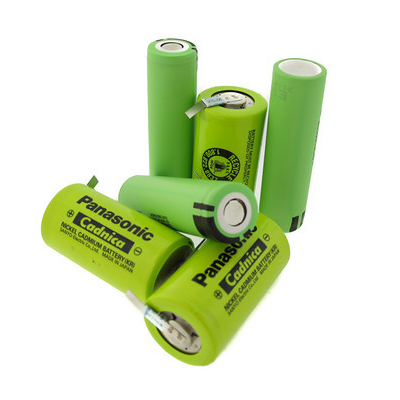
Read MoreThe shelf life of a rechargeable nickel metal hydride (NiMH) battery will vary depending on the storage temperature and the size of any attached load. The battery shelf life will also vary by manufacturer. Panasonic recommends the following for their NiMH battery cells.
Read MoreDetermining the cost of a battery pack with fuel gauge technology will vary depending on the accuracy of the battery fuel gauge required. The overall size of the battery pack will also have an effect on the final cost. For example, if a high-accuracy gauge is required on a small multi-cell battery, it could potentially double the cost. The good news is that the cost of battery cells becomes relatively small when factoring in the added value received from implementing a fuel gauge.
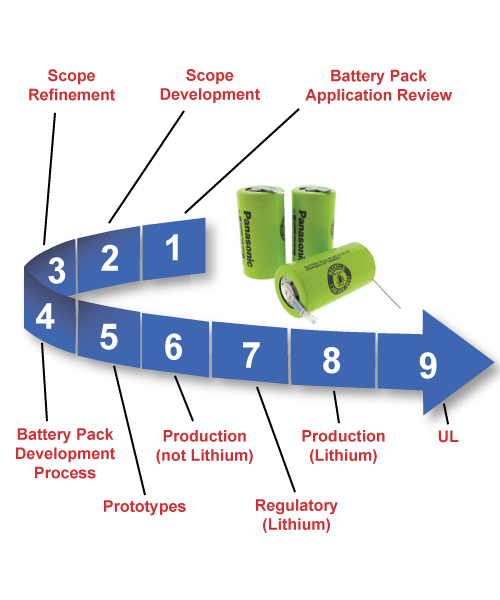
Read MoreThis is a brief overview of how our custom battery pack development process works here at Epec. The actual completion time of the development of a custom battery pack will vary depending on the requirements of the application itself. Understanding each of the necessary stages and length estimates of concept through production will help you become prepared leading up to development.
Read More