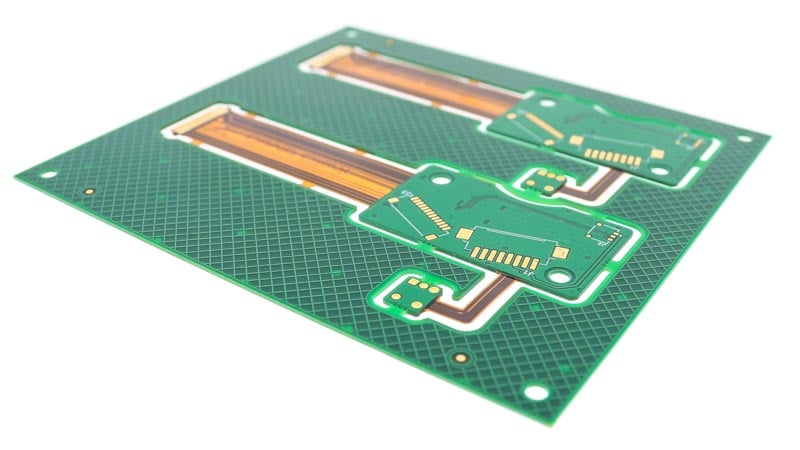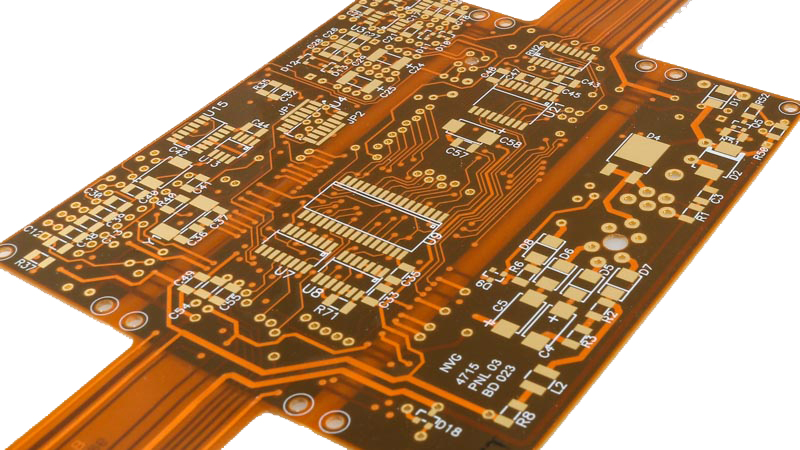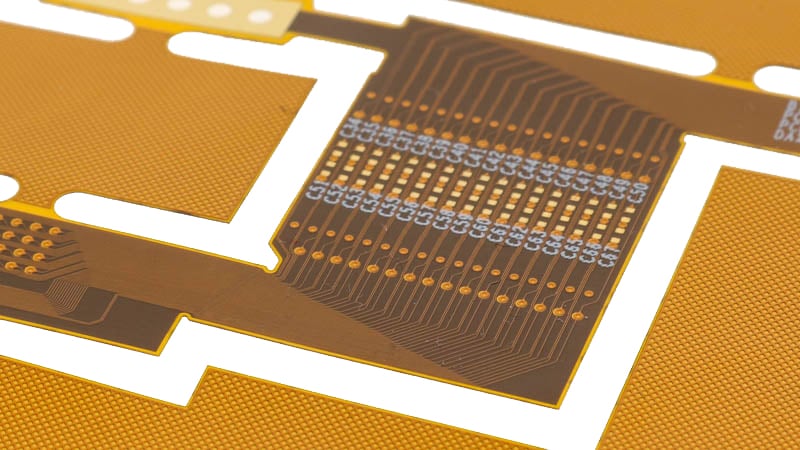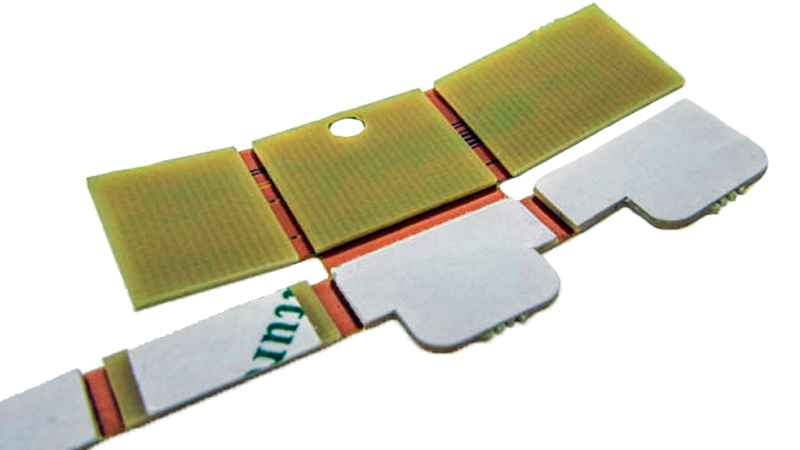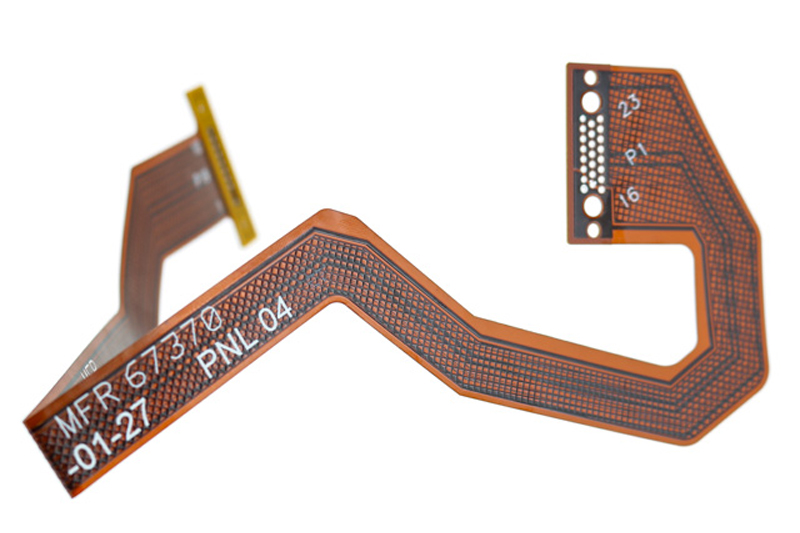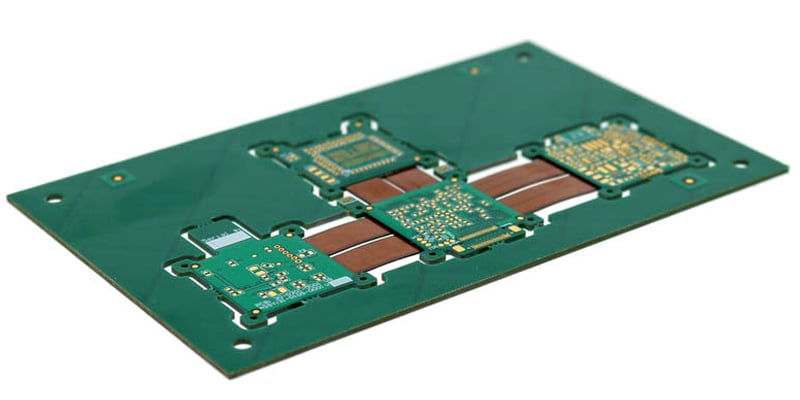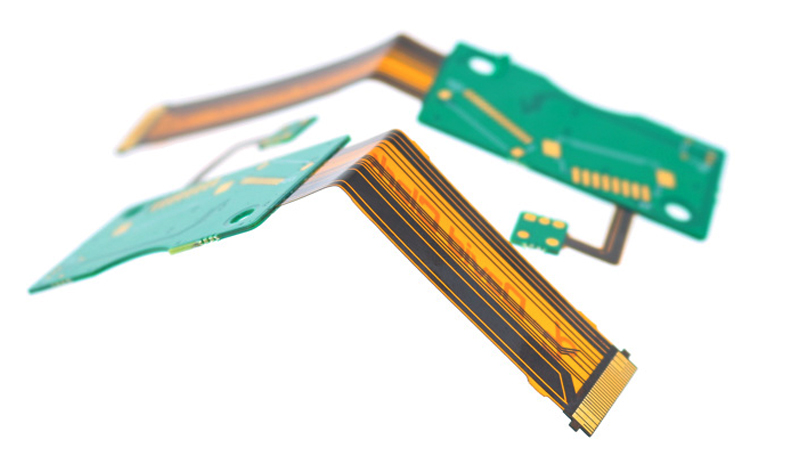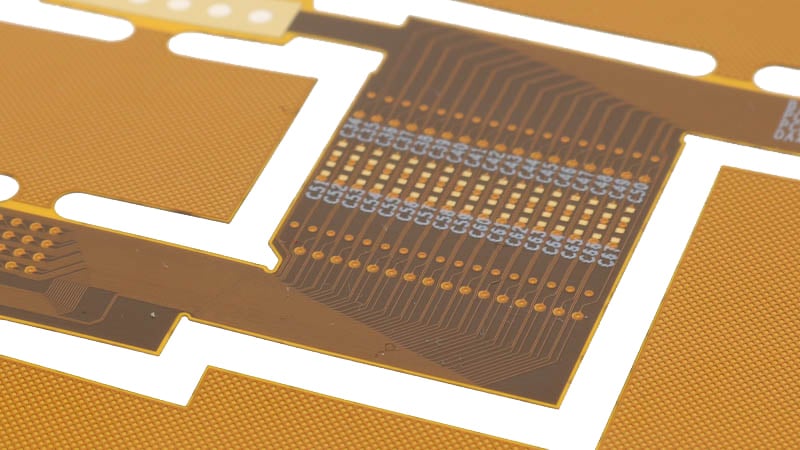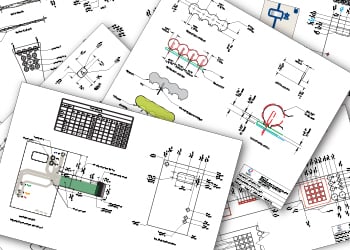



When it comes to modern electronics, space is always at a premium, reliability is paramount, and design decisions can significantly impact product performance. Flexible circuits (flex) and rigid-flex PCBs often sit at the center of these decisions.
Read MoreZachary Walker
Recent Posts
Rigid-flex PCBs are engineered to eliminate the very failure points introduced by traditional cable and connector assemblies, but they’re not immune to failure themselves. While rigid-flex technology reduces interconnects and improves signal integrity, it also introduces unique design and handling challenges. When not properly accounted for, these challenges can result in costly production issues, reduced reliability, or premature field failure.
Read MoreIn industries where failure isn’t an option, such as aerospace, medical electronics, industrial automation, and high-speed communication, electromagnetic interference (EMI) is a top-tier design concern. When your application relies on signal clarity, controlled impedance, and mechanical flexibility, rigid-flex PCBs offer a unique solution.
Read MoreIn the world of flex and rigid-flex PCB design, vias are far more than just holes; they're an integral part of a high-density interconnect (HDI) strategy. As designs continue to shrink in size while growing in complexity, via structures have become critical to achieving high-functioning, compact layouts in sectors like medical, aerospace, defense, and industrial automation.
Read MorePrototyping your new rigid-flex PCB design is critical. It’s best to test your design, ensure everything fits, and look for obvious issues before jumping into full-scale production. As necessary as this step is, it also comes with a cost that can be tough to justify to stakeholders and decision-makers.
Read MoreIn a flex or rigid-flex PCB construction, many elements have to be considered that can be seen as important to the overall design such as copper weight, layer count, and many other things. However, among all the portions of a design, the one that usually gets forgotten is what bonds and holds it all together, the adhesives and pre-pregs that serve to bond the stack-up.
Read MoreOptimizing performance is something that can be found in every aspect of life. From cars to computers, and from tools to PCBs, optimizing performance can lead to better reliability, less risk, and ultimately a more robust product.
Read MoreWhen it comes to printed circuit boards, rigid-flex PCBs can be one of the most complicated. Many describe rigid-flex as being more akin to two boards in one, both in processes and materials. This can make for a difficult time in designing the board, setting standards, and even selecting materials.
Read MoreCreating a high-performance flexible printed circuit board is contingent upon having the right copper weight. With high-temperature, high-power, and long-lasting applications, the weight of the copper used becomes even more important.
Read More