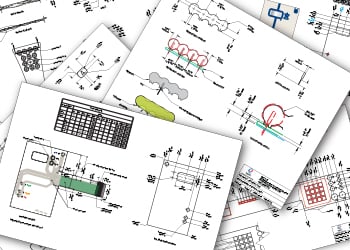




The performance and long-term reliability of a rigid-flex printed circuit board (PCB) are heavily influenced by design decisions made early in development. Mechanical layout, bend requirements, stack-up construction, material selection, trace routing, and via placement all affect how well the circuit withstands repeated flexing and real-world operating conditions.
While no single approach applies to every rigid-flex PCB design, several established design practices can help reduce mechanical stress, improve durability, and support manufacturability.
Start With Bend Requirements and Mechanical Layout
Mechanical layout is often the foundation of a successful rigid-flex PCB design. Component locations, rigid and flexible section placement, and interconnect routing all influence how the assembly behaves during installation and operation.

Rigid-flex circuit board manufactured to bend multiple times.
One of the most important design parameters is the bend radius. The intended flexing requirements should be established before finalizing the mechanical design. A flexible circuit designed for repeated bending can experience significantly different stresses than one intended for limited movement.
Mechanical layout should focus on three primary considerations:
- Establish an appropriate bend radius.
- Keep bends smooth and gradual.
- Prevent the flex region from pressing against rigid sections of the board or surrounding housing features.
Poor mechanical positioning can lead to excessive stress, unintended creasing, or deformation of the flexible section. In some cases, additional strain relief features or stack-up modifications can help reduce extreme bending conditions and improve long-term reliability.

How Stack-Up Design Influences Reliability
Stack-up construction plays a central role in both the performance and durability of a rigid-flex PCB. Beyond determining electrical characteristics, the stack-up directly affects how the circuit behaves when bent.
Material selection is one important factor. Rolled annealed copper is a beneficial choice for flexible sections because it can better support bending requirements.
When the stack-up allows, copper should be positioned in the middle of the flexible portion of the construction. Locating the copper on the neutral bend axis minimizes the stress experienced during repeated flexing, helping reduce the mechanical load placed on the conductor.
The rigid sections should follow the same fundamental stack-up principles commonly used in rigid circuit boards. Symmetrical constructions and similar materials on both sides of the board help minimize warping and twisting, which can contribute to improved reliability and overall performance.
Why Copper Grain Direction Matters
Copper grain direction is another important consideration in rigid-flex PCB design.
It is recommended to adjust the circuit board so bending occurs along the grain direction of the copper rather than against it. This approach can improve bend performance and reduce the likelihood of copper-related failures during flexing.
Copper grain direction should also be considered during circuit layout. Routing that follows the length of the board and aligns with the grain direction helps reduce stress concentrations that may develop when the flexible section bends repeatedly.
Routing Traces for Flexible Sections
Trace routing within flexible areas requires different considerations than routing in rigid sections.
When traces must change direction within a flexible region, gradual curves are preferred over sharp angles. Smooth routing distributes mechanical stress more evenly throughout the conductor, while abrupt directional changes can create localized stress points.
Designing traces to follow the length of the flexible section where practical can further reduce mechanical loading during bending and contribute to longer service life.
Managing Via Placement in Flex Regions
Via placement requires additional attention when vias are located within flexible sections.
Where possible, vias should be positioned outside the active bend area. Bending forces can place additional stress on via structures, increasing the risk of damage during repeated flexing.
When vias must exist within a flexible section, consider redundant connections where appropriate. This approach can help maintain circuit functionality if a via experiences damage due to mechanical stress.
As with trace routing and stack-up construction, via placement should be evaluated in the context of the expected bending conditions and overall mechanical design of the assembly.
Applying Strain Relief to Reduce Mechanical Stress
Strain relief can be an effective method for reducing stress in flexible regions and limiting the effects of excessive bending.
Depending on the design, strain relief strategies may include mechanical features that reduce extreme flexing or stack-up adjustments that better accommodate the intended bend requirements. These measures can help prevent sharp creases and reduce stress concentrations that would otherwise shorten the life of the flexible circuit.
The most effective solution depends on the specific mechanical environment and how the rigid-flex assembly will be used.
Design Collaboration During Early Development
Many rigid-flex circuit board reliability challenges are easier to address during the design stage than after the layout has been completed.
Early engagement with the PCB manufacturer can provide valuable input regarding stack-up options, manufacturability considerations, material selection, and potential design improvements. Design-for-manufacturing review can help identify issues before they become costly revisions later in the development process.
Summary
Optimizing rigid-flex PCB performance begins with understanding how the design will bend, move, and function in its intended environment. Mechanical layout, bend radius selection, stack-up construction, copper placement, grain direction, trace routing, via location, and strain relief all contribute to long-term reliability.
When these elements are considered together during the design phase, rigid-flex circuit board assemblies can be better positioned to withstand mechanical stress while maintaining the electrical and structural performance required by the application. Early collaboration with the PCB manufacturer can further support manufacturability and help ensure the design aligns with the intended performance objectives.
Key Takeaways
- Mechanical Layout is Critical: Optimizing the bend radius, avoiding sharp creases, and ensuring bends don’t press against rigid sections or housings are essential for ensuring flexible PCB durability.
- Stack-Up Optimization: Aligning copper layers with the neutral bend axis and using rolled annealed copper in flexible sections minimizes stress and improves bending reliability. Symmetry in rigid sections prevents warping.
- Copper Grain Direction Matters: Designing along the grain direction of copper layers ensures smoother bends, reducing the risk of cracks or breaks and enhancing long-term reliability.
- Circuitry Layout for Longevity: Traces in flexible sections should curve gradually, not at sharp angles, to prevent stress points. Avoid placing vias in high-bend areas or use redundant connections to ensure functionality.
- Strain Relief Solutions: Incorporating strain relief techniques, such as optimizing stack-ups or adding protective features, can reduce mechanical stress on the board during bending.
- Consult Early with Manufacturers: Engaging PCB manufacturers during the design phase provides valuable insights into stack-ups, materials, and design improvements, ensuring better performance and manufacturability.
- Epec’s Support Services: Epec offers free DFM analysis and design consultations to help customers achieve optimized rigid-flex PCB designs with higher reliability and cost savings.