

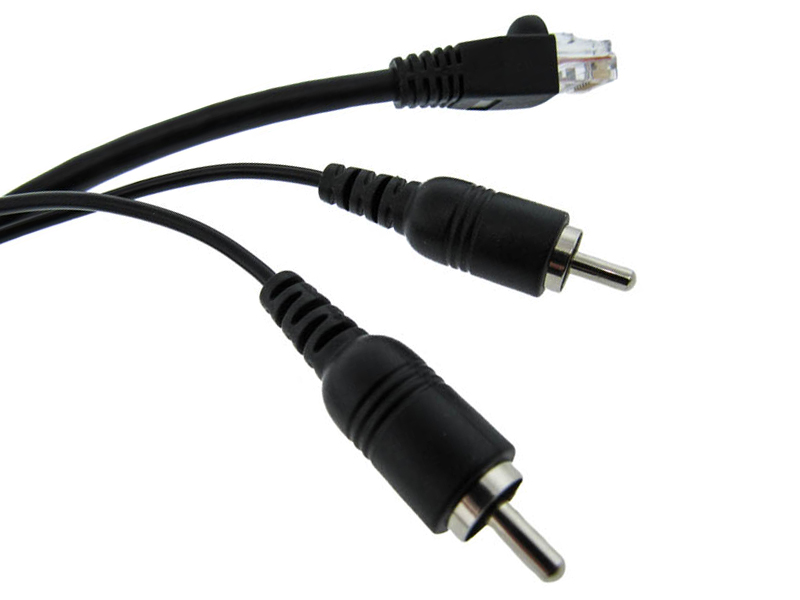
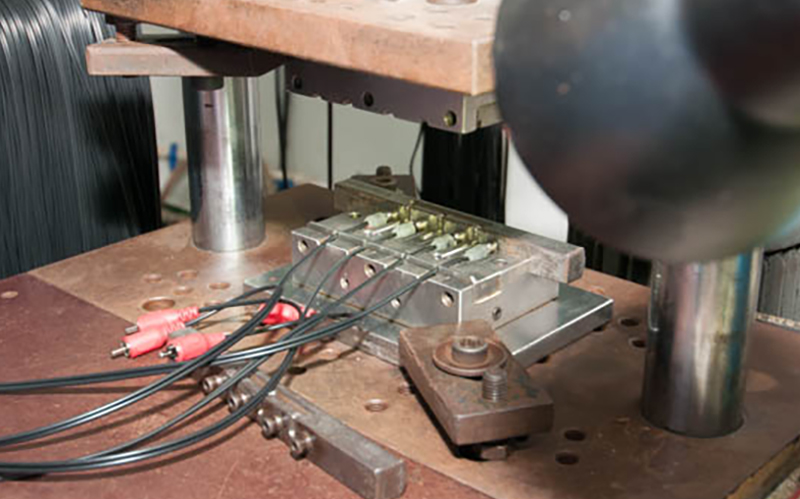
Overmolded cable assemblies are relied on in applications where failure is not an option. Industrial control panels, medical equipment, automotive sensors, laboratory instruments, and outdoor electronics all depend on strong strain relief, dependable sealing, and repeatable performance. Overmolding delivers that performance by encapsulating the connection point between the cable and its component interface, creating a unified structure that protects against moisture, vibration, abrasion, and general wear.
Read MoreLandon Pinto
Landon became part of the Epec team in 2025 after completing his B.S. in Mechanical Engineering from the University of Massachusetts – Dartmouth. With a strong foundation in manufacturing, Landon has worked across various production methods including machining, injection molding, and 3D printing. He has developed a solid command of SolidWorks, applying it to both design and simulation tasks throughout his academic and project experience. At Epec, Landon's role is in streamlining manufacturing operations, enhancing production workflows, and contributing to the delivery of high-performance solutions tailored to customer needs.
Recent Posts
In cable assembly manufacturing, overmolding is more than just a finishing touch; it is the process that protects internal wires, seals out moisture, and provides durability in tough environments. The quality of an overmolded cable assembly often determines how reliable the final product will be in the field. But one factor that is sometimes underestimated is how much temperature and humidity influence the overmolding process.
Read More