



Overmolded cable assemblies are relied on in applications where failure is not an option. Industrial control panels, medical equipment, automotive sensors, laboratory instruments, and outdoor electronics all depend on strong strain relief, dependable sealing, and repeatable performance. Overmolding delivers that performance by encapsulating the connection point between the cable and its component interface, creating a unified structure that protects against moisture, vibration, abrasion, and general wear.
Even so, the overmolding process is not always straightforward. Two defects often appear when material flow conditions or tooling design are not quite right. These issues, air entrapment and short shots, can weaken a cable assembly long before it reaches the field. Understanding why they occur and how to avoid them is vital for anyone designing or sourcing custom cable assemblies.
Understanding Overmolding in Cable Assemblies
Overmolding begins by placing a prepared cable assembly into a mold cavity. Once positioned, a thermoplastic material such as TPU, TPE, PVC, or nylon is injected around the termination area. As the material fills the cavity, it forms the outer shape of the strain relief, connector body, or protective overboot. When done correctly, the molded material bonds to the cable jacket and connector, reinforcing the assembly both mechanically and environmentally.

The process strengthens the same weak points that usually fail in non-overmolded assemblies, including transitions between the cable jacket and connector, soldered terminations, or tight bend locations. It also provides cosmetic consistency, which is especially valuable in consumer-facing products, medical devices, or systems that must pass strict visual inspections.
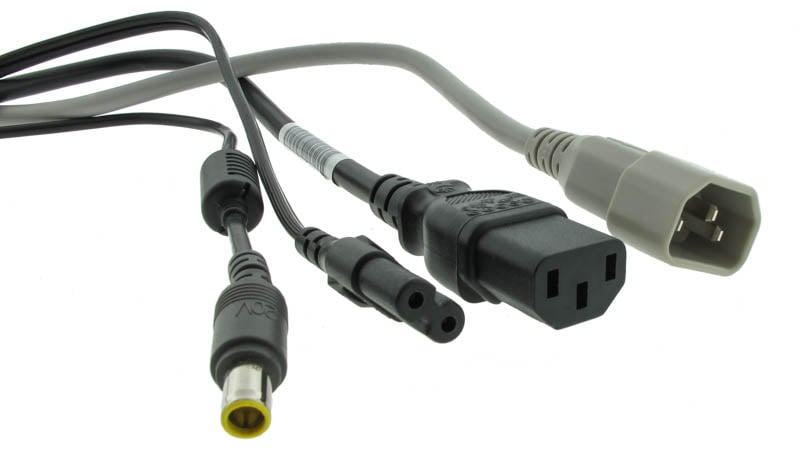
Various examples of overmolding applications.
The Two Most Common Defects: Air Entrapment and Short Shots
Although the process seems simple in theory, the molten material behaves much like a fluid moving through a narrow path. If the flow front stalls or cannot escape around sharp corners, air pockets become trapped inside the cavity. This is known as air entrapment. The result can be visible bubbles, voids inside the overmold, or weakened sections prone to cracking.
Short shots occur when the cavity never fills completely. Rather than reaching every edge of the mold, the material stops early because of the wrong temperature, low injection pressure, or restricted flow. This leads to incomplete overmolds with exposed areas, missing features, or thin sections that cannot withstand mechanical stress.
Both defects compromise performance. A single void can allow moisture to track into the connector. A thin, incomplete section can break during strain relief testing. For assemblies used in the medical or automotive space, these defects may also cause the entire lot to be rejected during incoming quality inspection.
The good news is that most of these problems are preventable if the design, material, and processing choices are aligned from the start.
Mold Design Decisions That Prevent Defects
The mold cavity is the foundation for successful overmolding. When the design supports smooth and consistent material flow, the risk of air pockets or short shots drops significantly.
Proper venting is one of the most effective tools here. Small vents allow displaced air to escape as the cavity fills. Without these, trapped air has nowhere to go, leading to bubbles and incomplete fill. Gate placement is just as important. The gate should allow the molten material to enter the cavity in a predictable flow path. Placing a gate too far from thicker sections or too close to sharp transitions restricts movement and increases the chance of voids.
Cavity layout also matters. Smooth radii, balanced wall thicknesses, and minimal abrupt directional changes help the material transition through the cavity with consistent speed. Thick-to-thin transitions need special attention because they can cause velocity changes that trap air. Simple geometry almost always molds better than complex geometry, though many cable assemblies require custom shapes that need tailored support. Working with a manufacturer early allows design refinement before production tools is cut.
Material Considerations and Process Control
Overmolding materials vary widely in viscosity, flow rate, and melting behavior. TPU flows differently than PVC. TPE responds differently to slight temperature adjustments. Selecting the correct material for the cable jacket and application environment is only the first step. The material must also match the mold design and the intended flow distance.
Injection pressure, melt temperature, shot size, and mold temperature all play direct roles in how the material fills the cavity. A material that is too cold may be too thick to flow into narrow sections. Materials that are too hot may degrade, leading to discoloration or weak mechanical properties. Wrong pressure settings can result in inconsistent fill from cycle to cycle, which may produce a mix of acceptable and unacceptable parts.
Humidity can also influence certain polymers. Moisture-sensitive materials must be dried thoroughly before molding. If not, the material may release vapor during injection, creating bubbles or weak spots. For medical or outdoor assemblies that require flawless sealing, this is especially critical.
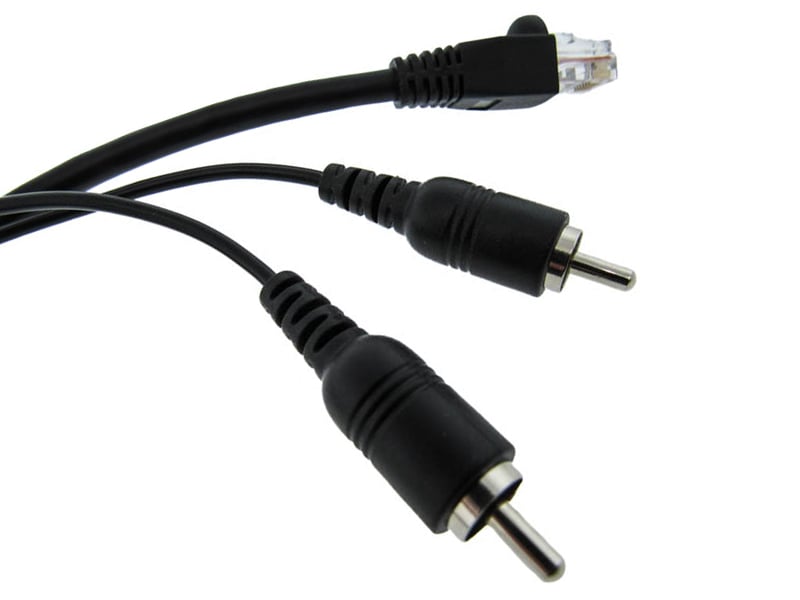
Commonly used materials for Over Molding.
Testing and Quality Control for Reliable Overmolds
Inspection begins long before the first molded part leaves the press. Tool sampling, first-article reviews, gate quality checks, and destructive testing validate the initial molding conditions. For parts already produced, visual inspection typically identifies voids or incomplete fill. More advanced assemblies may undergo X-ray reviews to detect internal gaps that are not visible from the outside.
Pull testing, flex testing, continuity checks, and environmental screening confirm that the overmold can survive moisture, vibration, and handling stress. For assemblies that must meet IP-rated sealing or need to survive heavy use in medical exam rooms or industrial machinery, these validation steps are essential.
Reliable overmolded cable assemblies result from a complete system approach. Design, material choice, tooling, and processing all need to work together. When coordinated properly, the overmold becomes a permanent part of the assembly structure, not just a cosmetic finish.
Summary
Overmolded cable assemblies remain one of the most dependable ways to protect critical terminations from moisture, strain, vibration, and daily mechanical stress. Still, the process demands precision. Issues like air entrapment and short shots often trace back to mismatched material flow, insufficient venting, or inconsistent process control.
When engineers align the mold design, material selection, and injection parameters from the beginning, overmolds become highly repeatable and durable components that hold up in demanding environments ranging from medical devices to industrial equipment. Careful testing and inspection complete the picture, ensuring each assembly performs exactly as intended throughout its service life.
Key Takeaways
- Overmolding strengthens cable assemblies by protecting termination points from mechanical and environmental stress.
- Air entrapment and short shots are the two most common defects and usually stem from poor flow or insufficient venting.
- Thoughtful mold design with proper gates, vents, and smooth geometry greatly reduces defect risk.
- Material selection and accurate process control influence flow behavior and cavity fill consistency.
- Strong inspection and validation practices ensure the overmold performs as intended in harsh or sensitive applications.